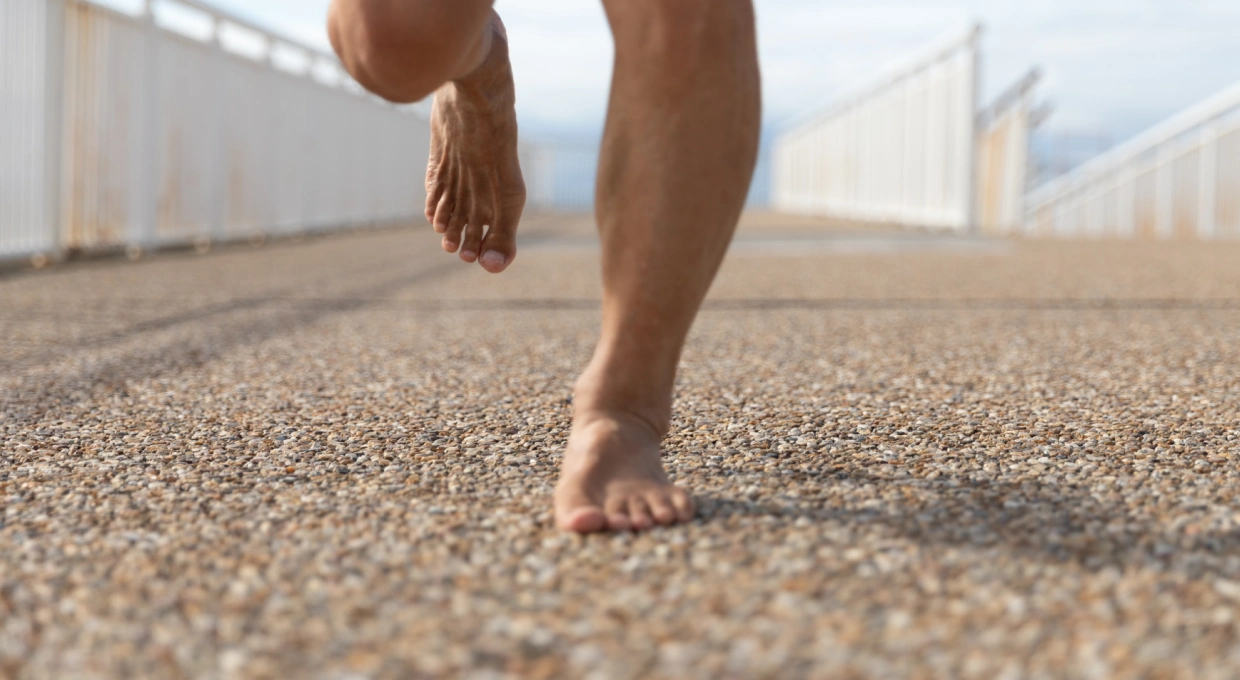
Walking or running barefoot or in sandals and flip-flops may seem comfortable and natural, but in the medium term, it takes a toll on your feet. The right footwear isn’t just a luxury: it provides the protection, cushioning, and support your feet need, especially if you walk a lot or play sports.
The Risks of Walking or Running Barefoot
Without a protective sole, the foot is exposed to cuts, blows, punctures, and burns (for example, on hot or uneven surfaces). Furthermore, without cushioning, each step transmits more impact to the soles of the feet, heels, and joints, which can contribute to plantar fasciitis, heel pain, or overuse injuries. In public areas (such as swimming pools and locker rooms), there is an added risk of contracting fungal infections and plantar warts.
What about flip-flops or sandals? Why aren’t they meant for walking long distances?
Flip-flops provide very little support for the foot: to keep them from slipping off, your toes tend to grip constantly, which strains the muscles and alters your gait. They also offer neither cushioning nor arch support. Wearing them occasionally is fine; the problem arises when they become your go-to footwear for the entire summer, especially for walking long distances.
The Benefits of Proper Footwear
- Protection against impacts, cuts, and abrasive surfaces.
- Impact absorption with every step.
- Support and stability for the foot and ankle.
- Pressure distribution that prevents overloading of the forefoot and heel.
Are there times when it’s good to go barefoot?
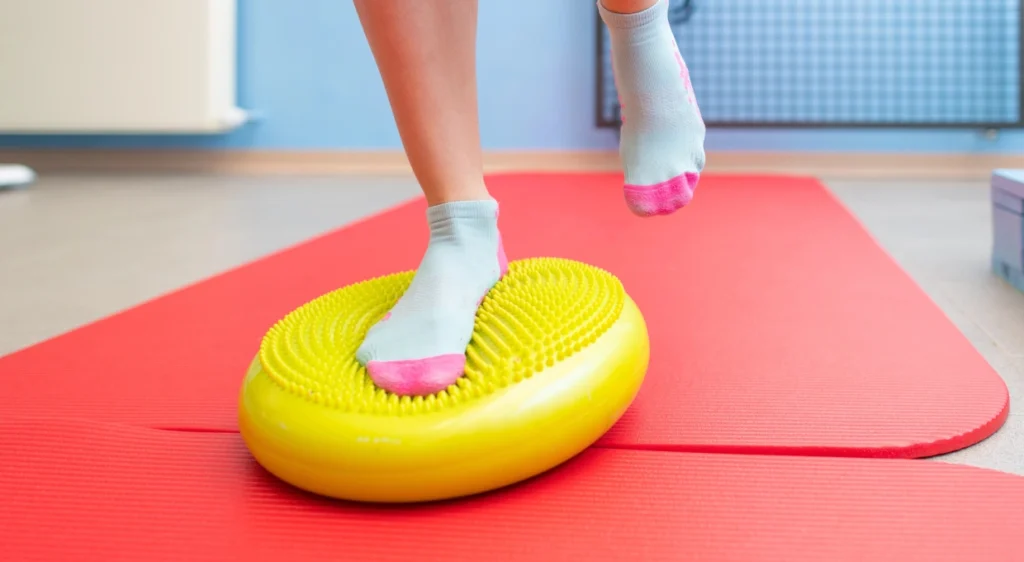
Yes, with some caveats. Walking barefoot at home or on safe surfaces (grass, sand) for short periods can help stimulate the muscles of the foot. However, it’s not recommended to walk long distances or run barefoot on a regular basis, nor should you do so if you have diabetes, loss of sensation, or a foot condition.
Signs That Your Shoes Aren’t Right for You
Common discomfort in the sole, heel, or toes; the development of calluses or blisters; early fatigue when walking; or very uneven wear on the sole. If you notice any of these signs, you should check your shoes, and if the discomfort persists, seek medical advice.
When to See a Podiatrist
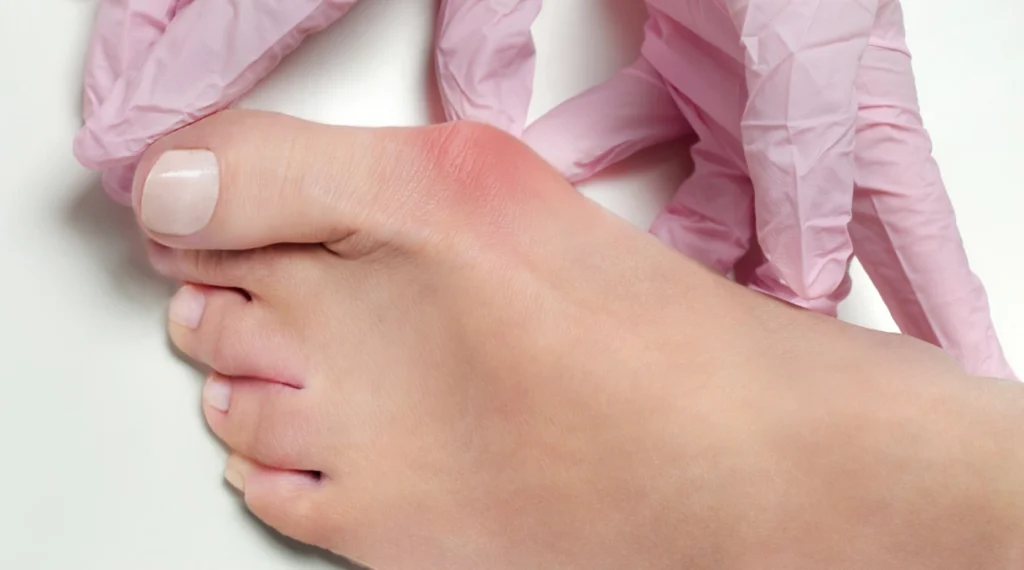
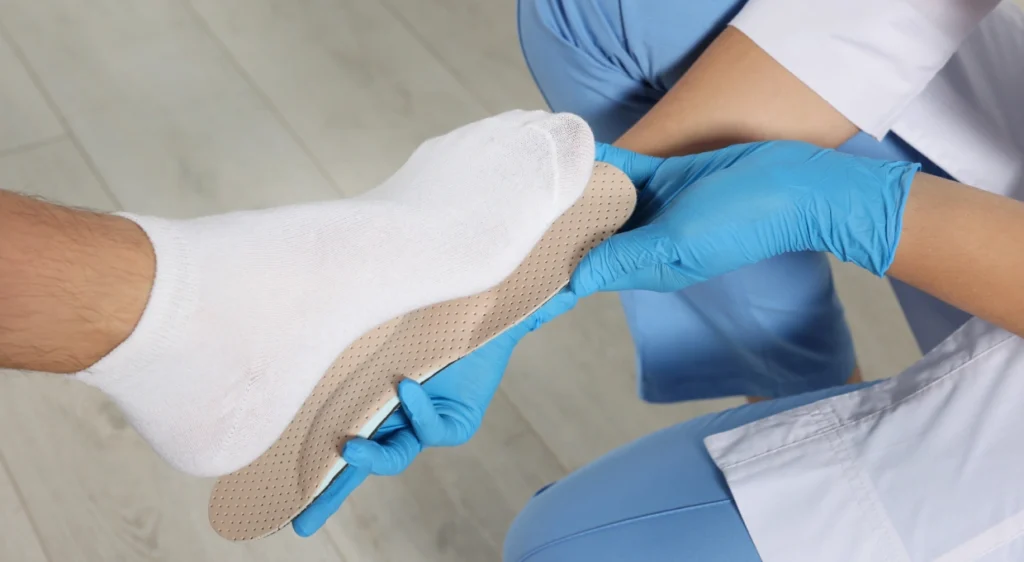
If you frequently experience foot pain, have recurring calluses, or suspect that your gait is improper, a podiatric evaluation and, if necessary, a gait analysis will help you choose the right footwear and prevent injuries. Taking care of your feet today is an investment in their long-term health.
Frequently Asked Questions
Is it bad to walk around the house barefoot? For short periods of time and on safe surfaces, it’s not necessarily a problem; it can even help strengthen the muscles in your feet. The problem arises when you do it for many hours, or if you have diabetes, pain, or foot problems.
Are minimalist or “barefoot” shoes recommended? They may be suitable for certain runners—and always on a gradual basis—but they aren’t right for everyone, nor are they the best choice for starting to run long distances. Before making a drastic change in your footwear, it’s a good idea to assess your foot strike.