
TREATMENT FOR PLANTAR FASCIITIS IN ALICANTE
Plantar fasciitis: definitive treatment in Alicante
Heel pain when you get out of bed. Insoles that just don’t seem to work. Here’s the solution.
If you take your first steps each morning with a sharp pain in your heel, you probably have plantar fasciitis. At Clínica San Román, we have been treating this condition since 1979 using a comprehensive protocol: custom insoles, shockwave therapy (ESWT), PRP injections, and, in cases that do not respond to conservative treatment, minimally invasive percutaneous fasciotomy.
⭐ 4.8/5 (200+ reviews) · 🏅 Cert. MIS23BE03 · 🇪🇺 5 languages
Specialists since 1979
Since 1979
Family clinic founded in 1979
🏅 MIS23BE03
First in Europe to receive American Board certification
⭐ 4.8
200+ verified reviews on Google
🇪🇺 5
Languages: ES · EN · NL · FR · DE
Led by Dr. José Manuel San Román Pérez (founder) and Dr. Israel San Román Sirvent, a Fellow of the American Academy of Ambulatory Foot & Ankle Surgery since 1986.
What is plantar fasciitis?
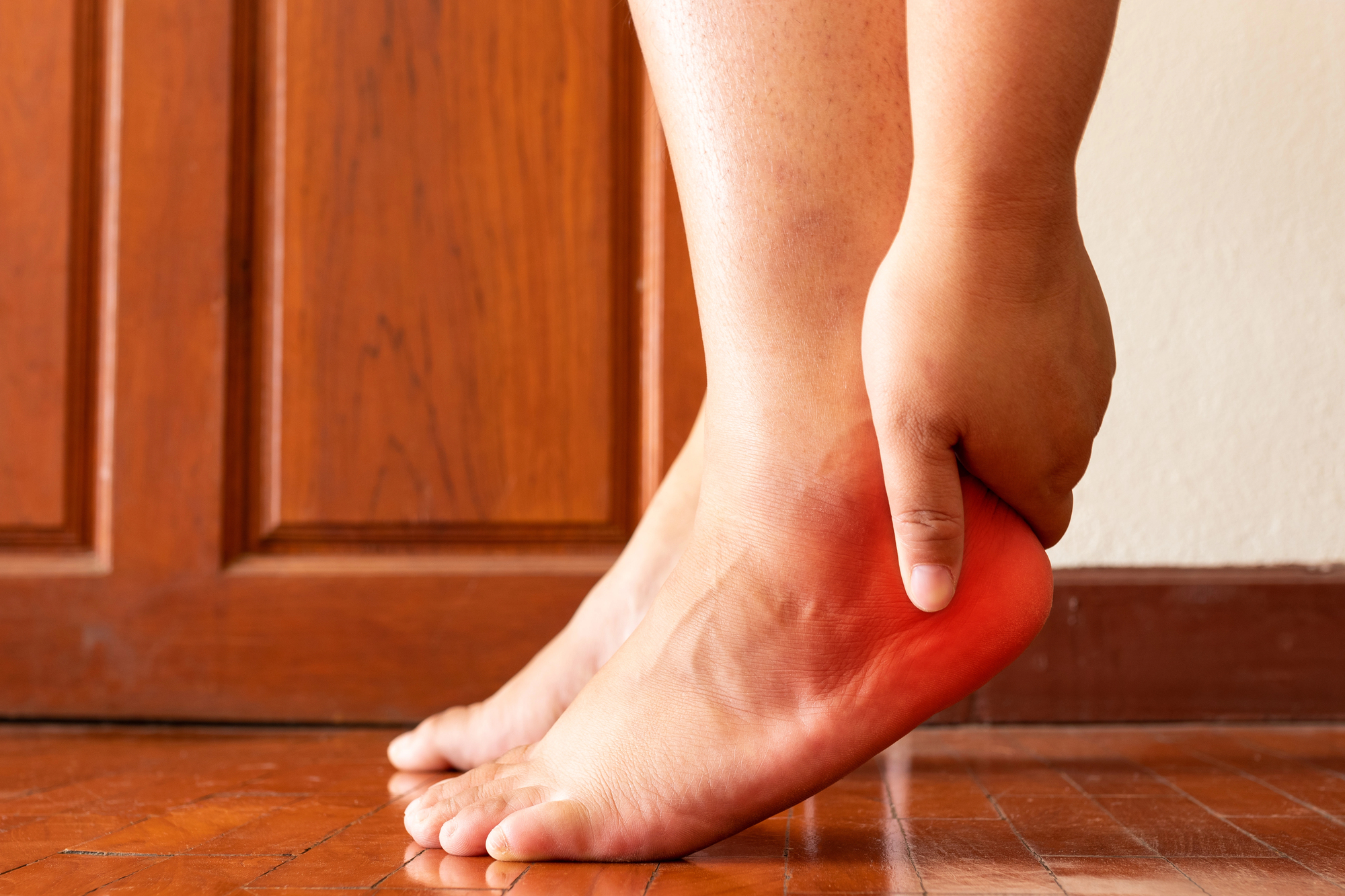
The plantar fascia is a thick band of fibrous tissue that runs along the sole of the foot from the heel to the base of the toes, forming the medial longitudinal arch. Plantar fasciitis is the inflammation and degeneration of this fascia at its attachment to the heel bone, and it is the most common cause of heel pain in adults.
The mechanism involves repetitive microtrauma: with every step, the fascia is subjected to a tensile load. When this load persists over time (due to being overweight, wearing improper footwear, high-impact sports, or tight calf muscles), the fascia loses its normal structure, suffers microtears, and becomes degenerated tissue (fasciopathy), rather than merely inflamed.
Is it the same thing as a heel spur?
No. A heel spur is a bony growth that forms on the heel bone in response to sustained tension on the plantar fascia. It is the result, not the cause, of the pain. Many people have heel spurs without pain, and others have plantar fasciitis without a heel spur. Treatment is not directed at the spur but rather at the fascia and the mechanical cause that damages it.
How common is it?
The prevalence of chronic heel pain is around 11% of the adult population. It is more common in women aged 40 to 65, in overweight individuals, runners, and professionals who spend many hours on their feet.
Symptoms: How can you tell if you have plantar fasciitis?
The hallmark symptom, so characteristic that it is almost sufficient on its own for diagnosis:
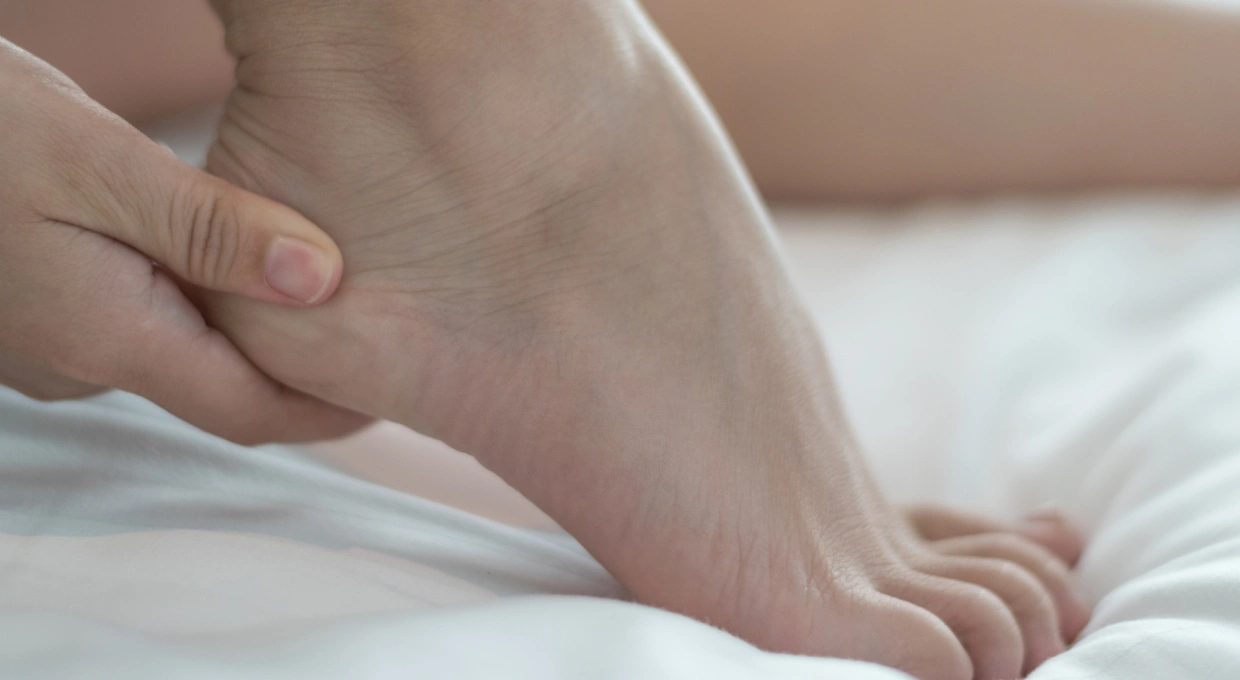
- A sharp pain on the inside of the heel when taking the first steps in the morning or after sitting for a while. It eases with walking, but returns after standing for a long time.
- Pain when pressing on the inner part of the heel.
- It worsens with dorsiflexion of the big toe (positive Windlass sign).
- Discomfort along the entire length of the arch in advanced cases.
- A tendency to walk by placing weight only on the front of the foot to avoid pain (which leads to secondary strain).
- In chronic cases: shortening and stiffness of the Achilles tendon and the gastrocnemius muscles.
🔴 When to seek medical attention without delay
- The pain has lasted for more than 6 weeks and does not improve with rest and proper footwear.
- You’ve tried insoles, stretching, anti-inflammatories… and nothing works.
- Suspected partial tear of the fascia (sudden pain after jumping or running).
- It affects your quality of life, work, or sports.
Chronic plantar fasciitis is much harder to treat. Early diagnosis and personalized treatment make all the difference.

What causes plantar fasciitis?
There is rarely a single cause. It is usually a combination of factors that increase the tension on the fascia:
- Shortening of the posterior chain (gastrocnemius/Achilles tendon): this is the most important factor, yet it is often underestimated.
- Overweight or obese (BMI > –27).
- Flatfoot (pronated feet ) or cavus foot —both alter the physiological tension of the fascia.
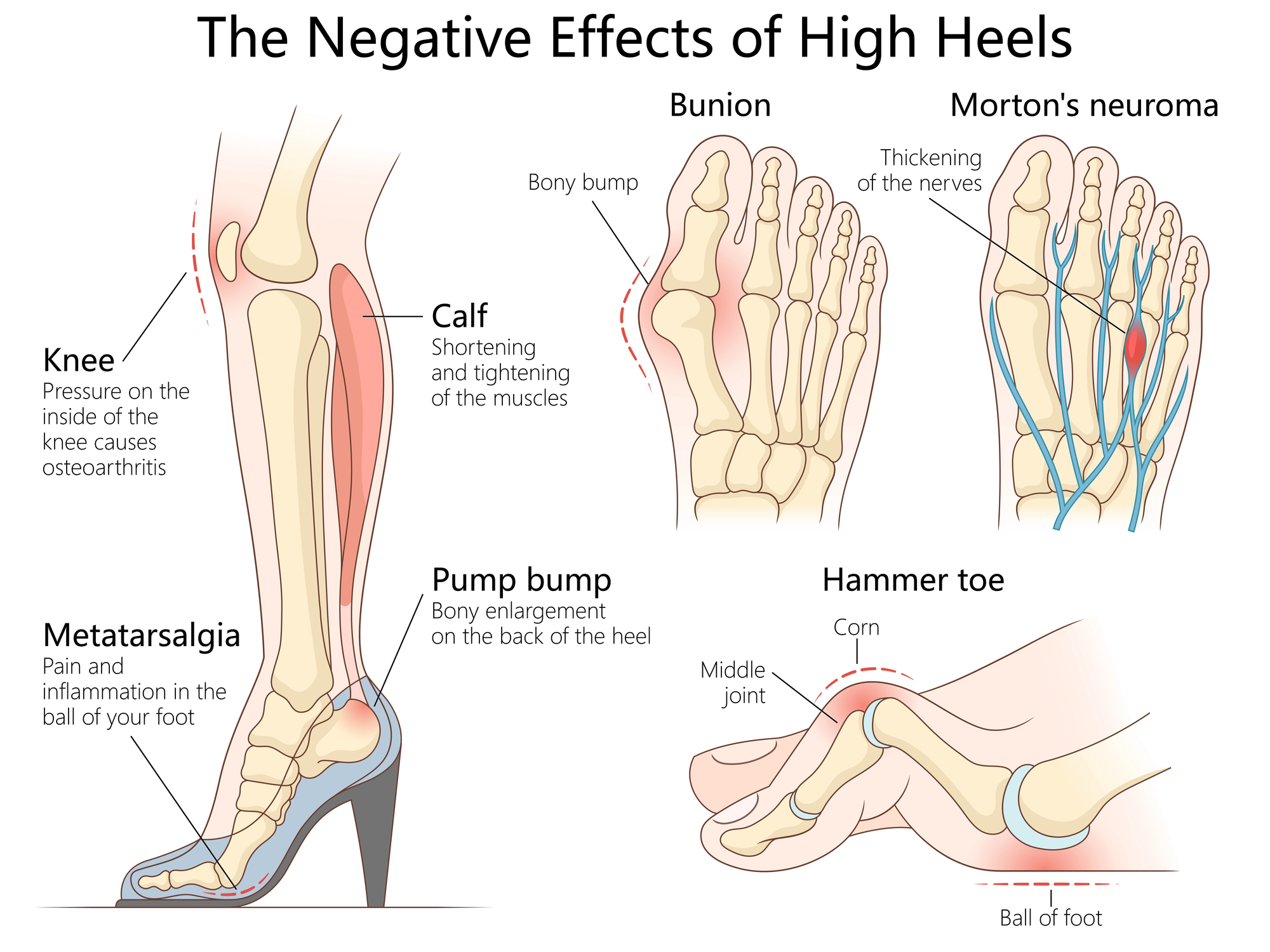
- Inappropriate footwear: flat shoes without cushioning, minimalist sandals, high heels.
- Professionals who spend many hours on their feet (healthcare workers, waitstaff, salespeople, teachers).
- High-impact sports without a proper progression plan (running, basketball, CrossFit).
- Sudden changes: starting a training program, increasing mileage, running on harder surfaces.
- Age: Fascia gradually loses its elasticity starting around the age of 40–50.
That is why effective treatment requires identifying and addressing the underlying causes, not just relieving the pain.
Conservative treatment: the first-line approach
90% of plantar fasciitis cases resolve with a well-planned conservative treatment plan, provided it addresses all relevant aspects. At Clínica San Román, we follow a comprehensive protocol:
🧩 Custom insoles
Designed based on your biomechanical analysis: arch support, heel relief, and foot stability. A standard over-the-counter insole is not the same as a custom-made one—the effectiveness is worlds apart.
🏃 Stretching and strengthening exercises
Essential: Stretching the calf muscles, Achilles tendon, and plantar fascia. These should be done daily, in several sets, ideally before getting out of bed and before going to bed.
🌊 Shockwave therapy (ESWT)
Extracorporeal shock wave therapy is one of the treatments with the highest level of scientific evidence (Level I) for chronic plantar fasciitis. It stimulates tissue regeneration, reduces pain, and improves foot function. Typically, 3–5 sessions are performed weekly. It is the option with the best benefit-to-risk ratio when basic measures have not been sufficient.
💉 PRP (platelet-rich plasma) injection
In chronic or treatment-resistant cases, PRP (autologous growth factor) injections offer a regenerative option with a better safety profile than corticosteroids in the medium to long term (corticosteroids can weaken the fascia and increase the risk of rupture).
🦶 Foot care and arch support
Standard podiatric treatment to relieve pressure on the fascia and correct improper foot alignment that puts excessive strain on it.
When conservative treatment is not enough: MIS surgery
Percutaneous plantar fasciotomy and gastrocnemius lengthening: a definitive solution for chronic plantar fasciitis.
Approximately 10% of patients do not respond to properly administered conservative treatment over a 6-month period. In such cases, minimally invasive surgery offers a definitive solution with Level I evidence supported by randomized clinical trials (Johannsen et al., 2020).
Partial percutaneous plantar fasciotomy
Under local anesthesia and ultrasound guidance, a small 3–4 mm incision is made at the medial insertion of the fascia, and the damaged area is partially released. The release is selective—never complete—to preserve the plantar arch and prevent collapse. Recovery is rapid: immediate weight-bearing in a postoperative shoe, with a gradual return to normal activity within 2–4 weeks.
Percutaneous gastrocnemius lengthening (Baumann/Strayer technique)
When fasciitis is caused by significant shortening of the posterior chain (limited dorsiflexion even with the knee extended), percutaneous lengthening of the gastrocnemius muscle addresses the underlying cause, leading to a more stable resolution of the condition. This is also an outpatient procedure performed under local anesthesia.

Your first appointment with us
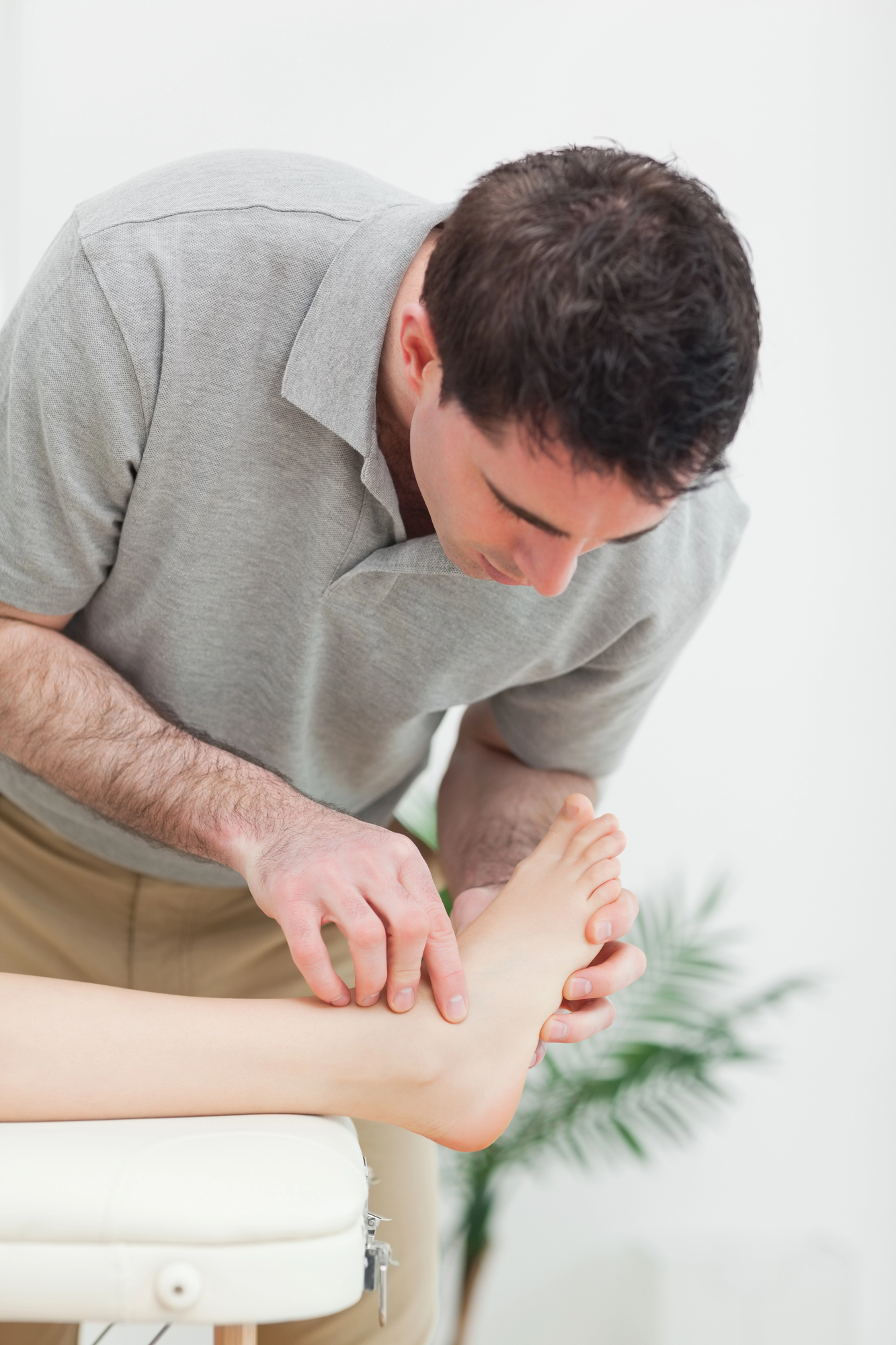
Free initial consultation with no obligation. In 30–45 minutes, we’ll make:
- Detailed medical history: how long you’ve been experiencing pain, what treatments you’ve tried, and your activity level.
- Physical examination: palpation, Windlass test, Silfverskiöld test (dorsiflexion with and without knee extension).
- Biomechanical gait analysis of static and dynamic foot strike.
- Ultrasound of the heel to assess the thickness and structure of the fascia, as well as any possible tears.
- Personalized treatment plan: what to do first, what to expect, and when to reassess.
We provide service in Spanish, English, German, French, and Dutch.
Frequently Asked Questions About Plantar Fasciitis
📋 Diagnosis and prognosis
🩺 Treatments
❌ Myths
Get up pain-free. Start your treatment today.
Plantar fasciitis can be effectively treated. The initial consultation is free and requires no obligation. Accurate diagnosis, a personalized plan, and the best available treatments to help you walk pain-free again.
📞 +34 965 921 156
✉️ info@clinicasanroman.com
📍 Av. del Dr. Ramón y Cajal 1, 03001 Alicante


