PERCUTANEOUS SURGERY OF THE FOREFOOT
Treatment for metatarsalgia in Alicante
Say goodbye to pain in the ball of your foot. Conservative treatment and MIS percutaneous surgery.
If you experience a burning pain on the sole of your foot at the end of the day, notice calluses under your metatarsal heads, or feel like you’re “walking on small pebbles,” you may have metatarsalgia. At Clínica San Román, we combine the experience gained since 1979 with internationally recognized techniques: custom insoles, shockwave therapy, and, when necessary, minimally invasive percutaneous osteotomies (DMMO).
⭐ 4.8/5 (200+ reviews) · 🏅 Cert. MIS23BE03 · 🇪🇺 5 languages
Specialists since 1979
Since 1979
Family clinic founded in 1979
🏅 MIS23BE03
First in Europe to receive American Board certification
⭐ 4.8
200+ verified reviews on Google
🇪🇺 5
Languages: ES · EN · NL · FR · DE
Led by Dr. José Manuel San Román Pérez (founder) and Dr. Israel San Román Sirvent, a Fellow of the American Academy of Ambulatory Foot & Ankle Surgery since 1986.
What is metatarsalgia?
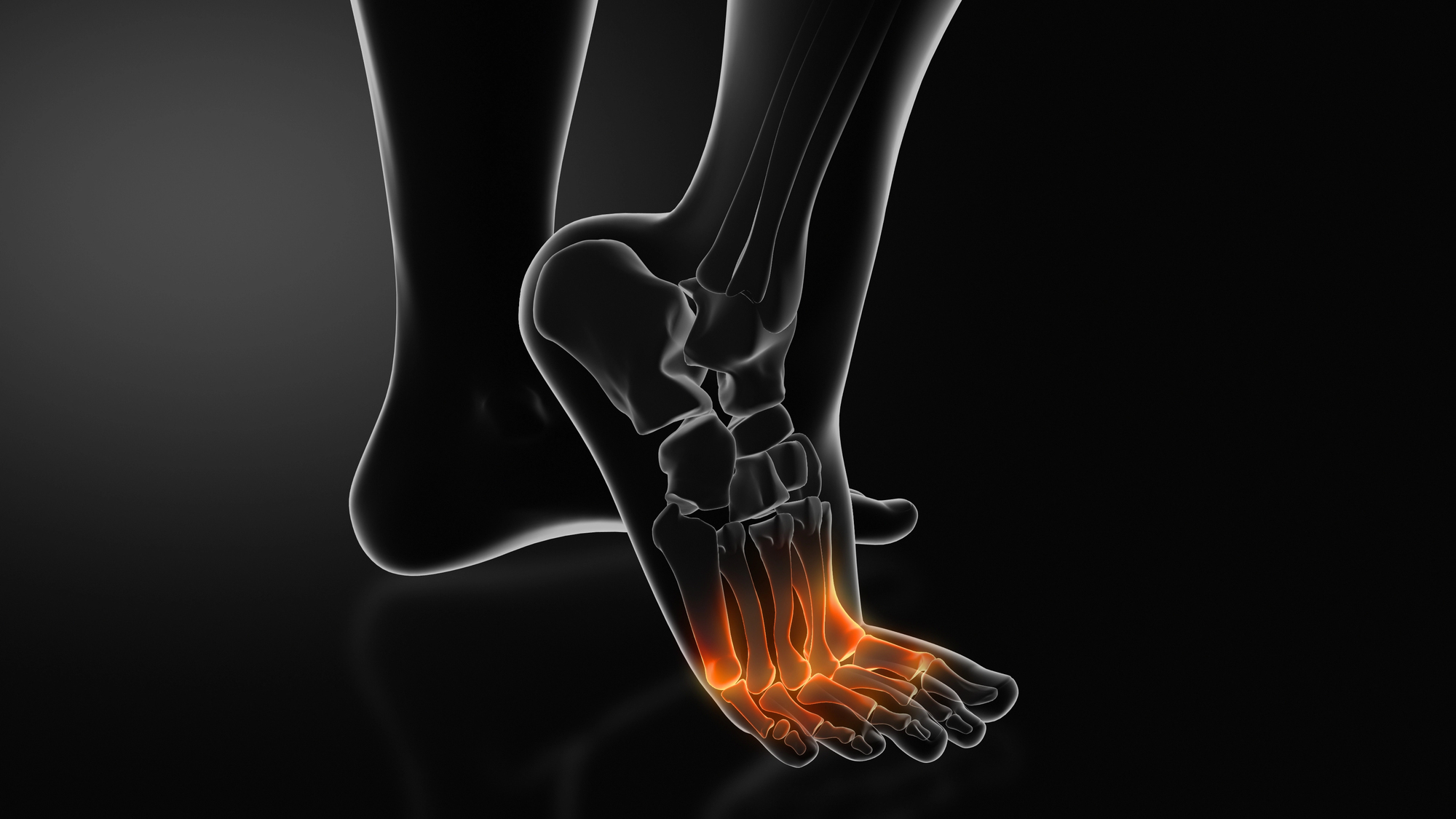
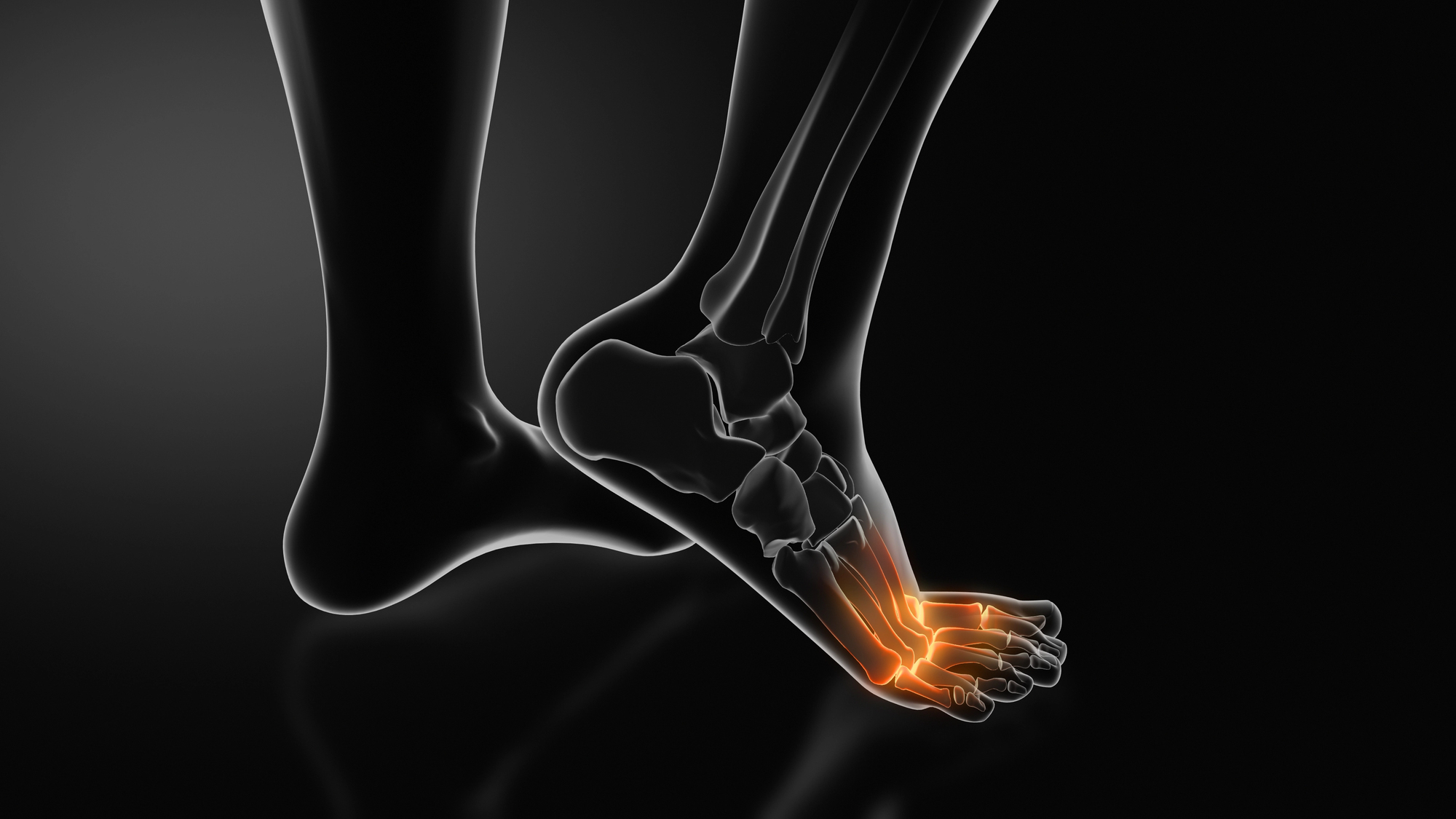
Metatarsalgia is pain located in the front part of the sole of the foot, beneath the heads of the metatarsal bones (the long bones of the forefoot, between the tarsus and the toes). It can be described as a “feeling of walking on small pebbles, “ a “tight sock,” or a constant burning sensation in the area under the toes where the foot makes contact with the ground.
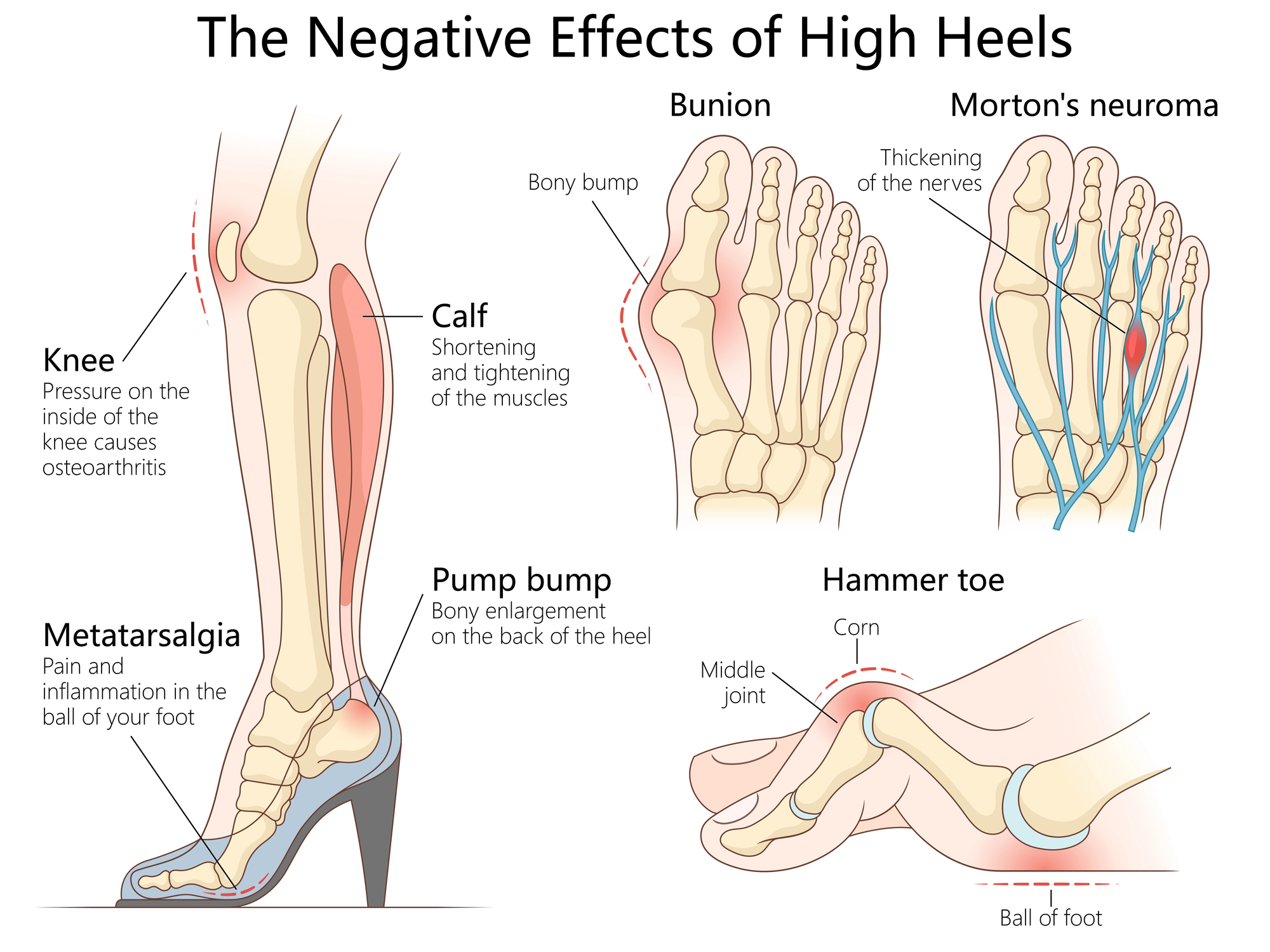
It is not a disease in itself, but rather a symptom of mechanical overload of the forefoot. It can affect a single metatarsal head (the second is the most common) or several, and is usually accompanied by:
- Calluses and plantar helomas under the affected metatarsal heads.
- Claw toes or hammer toes (when the plantar fascia is damaged).
- Hallux valgus (bunion) that alters the distribution of weight to the smaller toes.
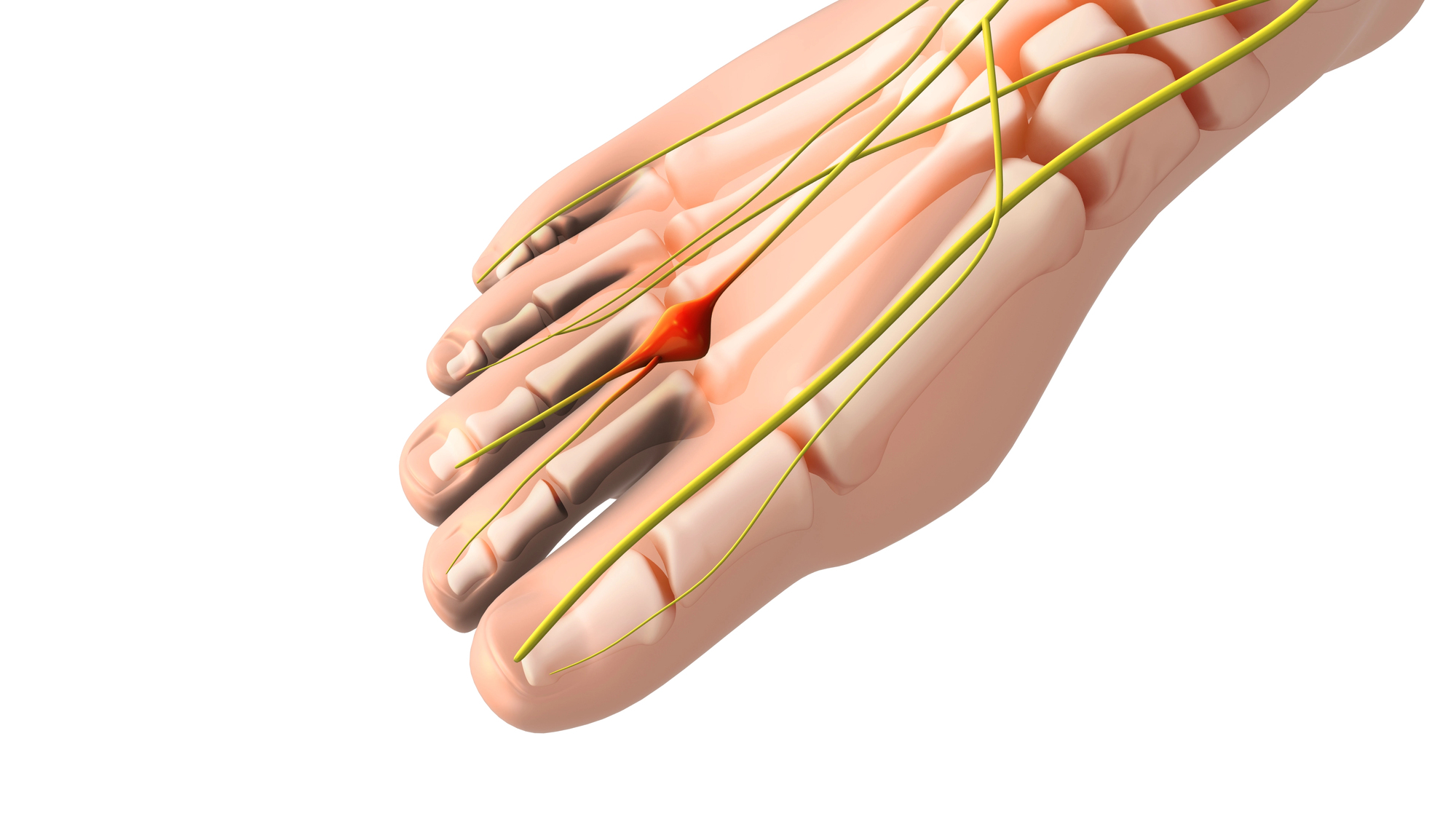
- Morton’s neuroma, which shares symptoms and sometimes occurs alongside it.
Is this a common problem?
It is one of the most common causes of forefoot pain in adults over the age of 50 and is more common in women, especially those who have worn high heels for years. It also occurs in runners and in patients with a cavus foot or a history of forefoot surgery.
Symptoms of metatarsalgia
- A sharp, burning, or “pebble-like” pain in the ball of the foot when walking or standing.
- Symptoms worsen at the end of the day or after walking a lot, running, or wearing high heels.
- Plantar calluses located beneath painful metatarsal heads.
- A feeling of pressure or swelling in the forefoot.
- Tingling or numbness between the toes (suggestive of Morton’s neuroma).
- Pain when pressing on the forefoot with the hand or when palpating a specific metatarsal head.
🔴 When to seek medical attention
- The pain has lasted for more than three months and does not improve with basic measures.
- Visible deformities appear: claw toes, bunions, and deviation of the second toe.
- It limits your ability to walk, work, or play sports.
- You have diabetes, and your calluses aren’t going away with standard treatment.
Seeking medical advice early allows metatarsalgia to be treated conservatively, before surgery becomes necessary.
Why does metatarsalgia occur?
Metatarsalgia occurs when one or more metatarsal heads bear more weight than they should. The most common causes are:
- Hallux valgus (bunion): When the big toe deviates, the weight is transferred to the second and third metatarsal heads, which are not designed to bear that load.
- Claw toes or hammer toes: The bent toe does not make proper contact with the ground, placing all the weight on its metatarsal head.
- Insufficient first metatarsal (Morton’s): The first metatarsal is short or hypermobile and does not bear its share of the load.
- Rupture of the plantar plate: degeneration of the “ligament” that stabilizes the metatarsophalangeal joint, very common in the second toe.
- Cavus foot: With a very high arch, the metatarsal heads are subjected to abnormally high pressure.
- Inappropriate footwear: high heels, narrow toes, stiff soles without cushioning.
- Loss of the plantar fat pad (common with age).
- High-impact sports: running, jumping, dancing on hard surfaces.
- Rheumatic diseases: rheumatoid arthritis, spondyloarthropathies.
Understanding the underlying cause is key: metatarsalgia cannot be cured with insoles alone if the cause is mechanical or structural. That is why our first step is always a comprehensive biomechanical assessment.
Conservative treatment of metatarsalgia
In most cases, conservative treatment is the first line of treatment and is usually effective if applied properly and in a timely manner:
- Custom insoles with a bar or heel lift that relieves pressure on the affected metatarsal head and redistributes pressure.
- Appropriate footwear: wide last, rocker sole, air cushioning or forefoot cushioning, heel height of < 3 cm.
- Regular foot care to manage painful calluses.
- Specific exercises for stretching the Achilles tendon and strengthening the intrinsic muscles of the foot.
- Shockwave therapy (ESWT) for chronic conditions associated with enthesopathies.
- Corticosteroid or PRP injections in very select cases.
⚠️ When conservative treatment isn’t enough: if pain persists after 6 months of proper treatment, or if there is a structural deformity (bunion, claw toes, or a fractured plantar plate), minimally invasive surgery is the definitive solution.
Percutaneous surgery for metatarsalgia (DMMO)
Percutaneous metatarsal osteotomy. No internal fixation. Same-day discharge.
When metatarsalgia is caused by structural bone overload (one metatarsal bone longer than the others, a fracture of the plantar plate, or an associated deformity), the surgical technique of choice in Europe is DMMO: Distal Metatarsal Minimally-invasive Osteotomy. It involves performing a percutaneous osteotomy of the affected metatarsals through millimeter-sized incisions (2–3 mm), allowing the metatarsal head to “self-align” to the correct position under physiological load.
MIS was developed by European pioneers such as Redfern, Vernois, and De Prado. At Clínica San Román, we perform this procedure routinely, and Dr. Israel San Román was one of the first doctors in Europe to obtain the certification in MIS foot surgery from the American Board of Multiple Specialties in Podiatry (Cert. MIS23BE03).
Benefits of MIS Surgery for Metatarsalgia
- 2–3 mm incisions, with no visible scars.
- Local anesthesia and outpatient surgery.
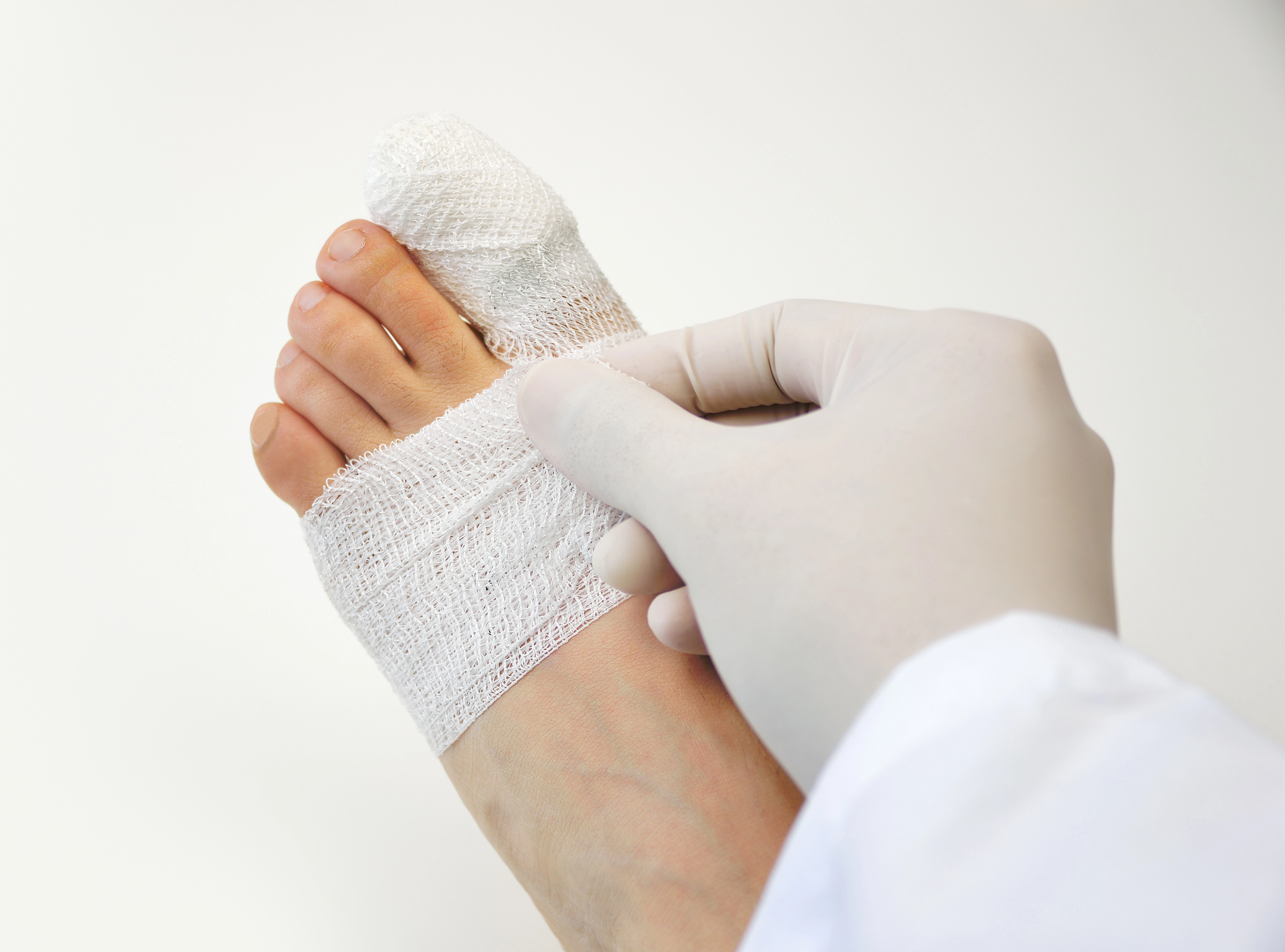
- No screws, Kirschner wires, or plates —the osteotomy is stabilized with a functional bandage.
- Walk in your postoperative shoe starting on the first day.
- This procedure can be combined with minimally invasive surgery for hallux valgus and claw toes during the same surgical procedure.
Recovery after DMMO
- Day 0: Discharged as an outpatient with a postoperative shoe. You are walking on your own.
- First 3–4 weeks: post-operative shoe, short walks.
- Weeks 4–6: Removal of the bandage and transition to regular-width shoes.
- Weeks 8–12: Gradual return to sports.
- Swelling may last for several weeks; this is considered normal and does not affect the outcome.

Your first appointment with us
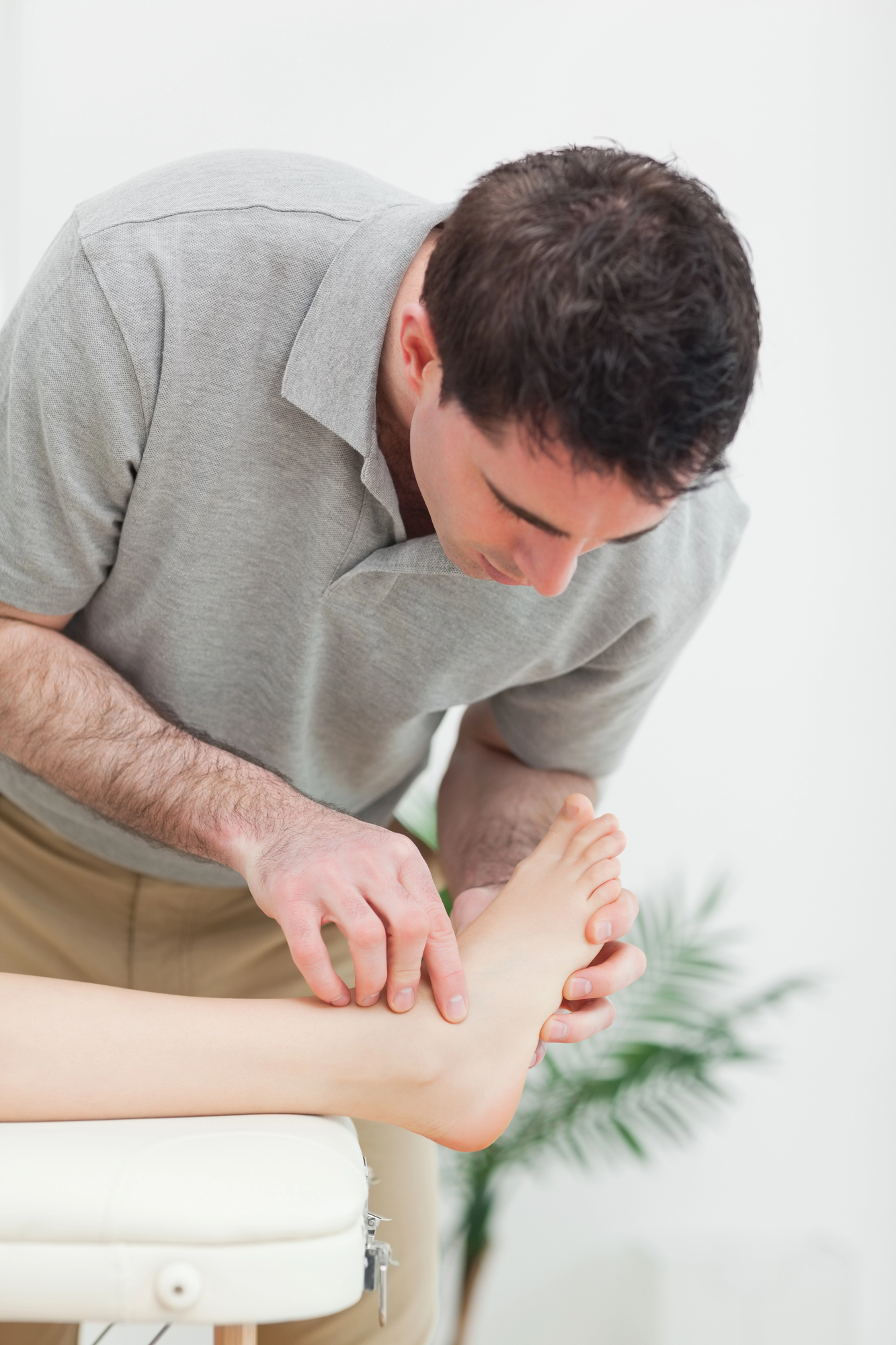
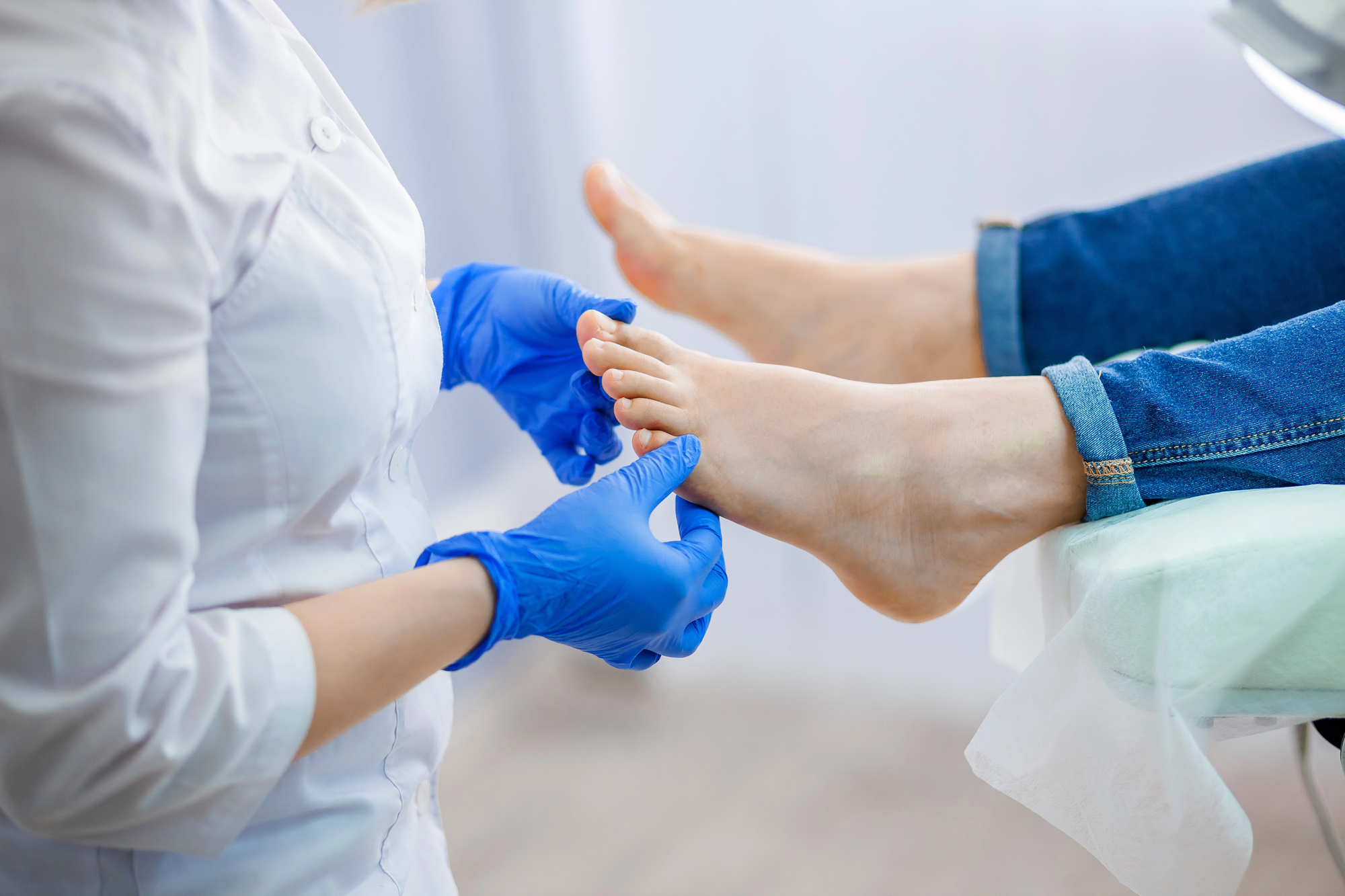
The initial consultation is free and requires no obligation. In 30 minutes, we’ll do:
- Clinical examination: palpation, specific tests (forefoot compression, Mulder’s test, etc.).
- Biomechanical gait analysis of static and dynamic foot strike.
- Weight-bearing X-rays to assess the metatarsal alignment and associated deformities.
- Musculoskeletal ultrasound if Morton’s neuroma or a plantar fascia tear is suspected.
- Personalized treatment plan (conservative, shockwave therapy, injection, or minimally invasive surgery) and a fixed-price quote.
We provide service in Spanish, English, German, French, and Dutch.
Frequently Asked Questions About Metatarsalgia
📋 About your case
🏥 About the surgery
❌ Myths
Walk again without feeling “pebbles” under your feet
There is a solution for metatarsalgia. The initial consultation is free and requires no obligation. An accurate diagnosis and a personalized treatment plan—whether conservative or surgical—can help you walk pain-free again.
📞 +34 965 921 156
✉️ info@clinicasanroman.com
📍 Av. del Dr. Ramón y Cajal 1, 03001 Alicante
🌐 Service available in Spanish, English, German, French, and Dutch


