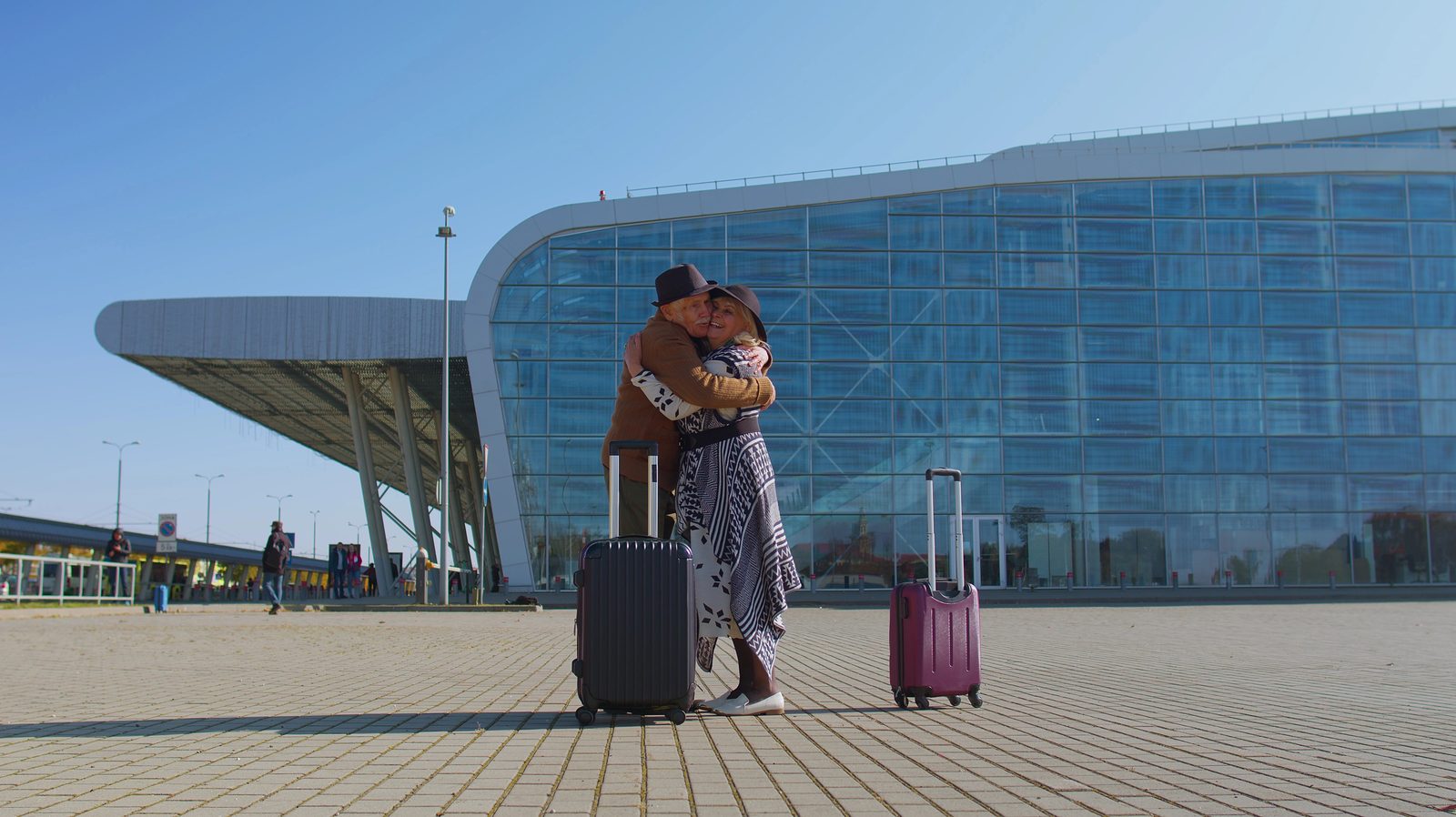
“The operation is not what worries me. Getting home is.”
This is the sentence that comes up most often from patients who write to us from the United Kingdom, Ireland, the Netherlands, Belgium and Germany. They have already read about the percutaneous technique. They have already seen that you walk out the same day. What nobody explains is the rest: how many days they need to be here, whether they will be able to take the flight home, and who follows them up once they are back.
This guide answers exactly that. No marketing.
Why more and more European patients choose foot surgery in Spain
It is not about price, and it is not about the sunshine. There are three concrete reasons that come up in almost every international consultation we receive:
- Both feet in the same session. In many European health systems one foot is operated on and the second waits months. With minimal incision surgery, the bilateral approach can be considered. We explain it in operating on both feet at once.
- No screws or plates in most cases. Many patients come specifically to avoid internal fixation material.
- No hospital admission. The procedure is performed as a day case under local anaesthetic. You walk in and walk out the same day.
Added to that is experience: Clínica San Román has been dedicated to foot surgery since 1979, across three generations, with the subspecialty certified by the American Board of Multiple Specialties in Podiatry (ABMSP).
How many days you need to stay in Spain
This is question number one, and it deserves an answer with a calendar, not vague reassurance.
| Stage | What happens |
|---|---|
| Before travelling | Remote assessment using photographs and, if you have them, previous X-rays. This lets us confirm that your case fits and plan dates before you buy a ticket. |
| Day 1 — Arrival and assessment | In-person examination, weight-bearing X-ray and final surgical planning. We confirm whether it is one foot or both. |
| Day 2 — Surgery | Percutaneous surgery under local anaesthetic, as a day case. You walk out in a post-surgical shoe. |
| Following days — Active rest | Short journeys, foot elevated the rest of the time. No admission. |
| First check-up | Review of the functional dressing and confirmation that progress is as expected. |
| Cleared to travel | Returning home is usually possible 24 to 48 hours after surgery. In total, 2 to 3 days are normally enough. |
Practical tip: book a changeable return flight. Not because we expect complications, but because travelling with a margin is more comfortable than travelling in a rush.
Can I fly after percutaneous foot surgery?
Yes. In most cases you can fly 24 to 48 hours after surgery. Before the return flight there is an in-person check-up at the clinic: that is where we confirm the dressing and the progress are as expected and where you are cleared to travel. Nobody boards a plane without that check.
General recommendations for the flight home:
- Ask for an aisle seat or extra legroom. Being able to stretch and stand up without disturbing anyone makes a difference.
- Stand up and move your ankles regularly during the flight, unless told otherwise.
- Wear the post-surgical shoe, do not pack it in your case.
- Request airport assistance when booking. It is free at EU airports and saves you long terminal distances.
- Keep your medical report in your hand luggage, not in the hold.
Alicante-Elche (ALC) has direct connections with London, Manchester, Birmingham, Dublin and Amsterdam, among others, which simplifies the journey considerably.
How follow-up works once you are back home
This is the part that reassures international patients the most, and the one almost no clinic explains in advance. The scheme is this, and it is the same for everyone coming from abroad:
- In-person check-up before the return flight. The last visit in Alicante, and the one that clears you to travel.
- Remote follow-up afterwards. By video consultation, WhatsApp or email, whichever suits you best. Sending a photograph of the foot by WhatsApp resolves most day-to-day questions.
- A report for your doctor or podiatrist at home, so any professional in your country can continue local follow-up knowing exactly which technique was used.
What we can tell you now is that there is no discharge-and-goodbye. Follow-up is part of the treatment, and the fact that you live 2,000 km away does not change that.
The paperwork you take home
You are given all your medical documentation translated into English, French, German or Dutch, according to what you need:
- Surgical report — exactly what was done and with which technique.
- Written post-operative instructions — wound care, dressing, footwear and what to watch for.
- Prescriptions for the medication indicated.
- A report addressed to your own doctor or podiatrist, so follow-up can continue in your country.
It looks like a detail and it is not: arriving home with a report in a language your doctor cannot read turns any routine appointment into a problem.
And what about insurance reimbursement?
Whether treatment abroad is covered depends entirely on your policy and your country. We cannot handle the reimbursement for you, but we do provide the medical documentation usually requested. Check before you travel and tell us which documents you will need: issuing them at the time is far simpler than requesting them months later.
Accommodation and getting around in Alicante
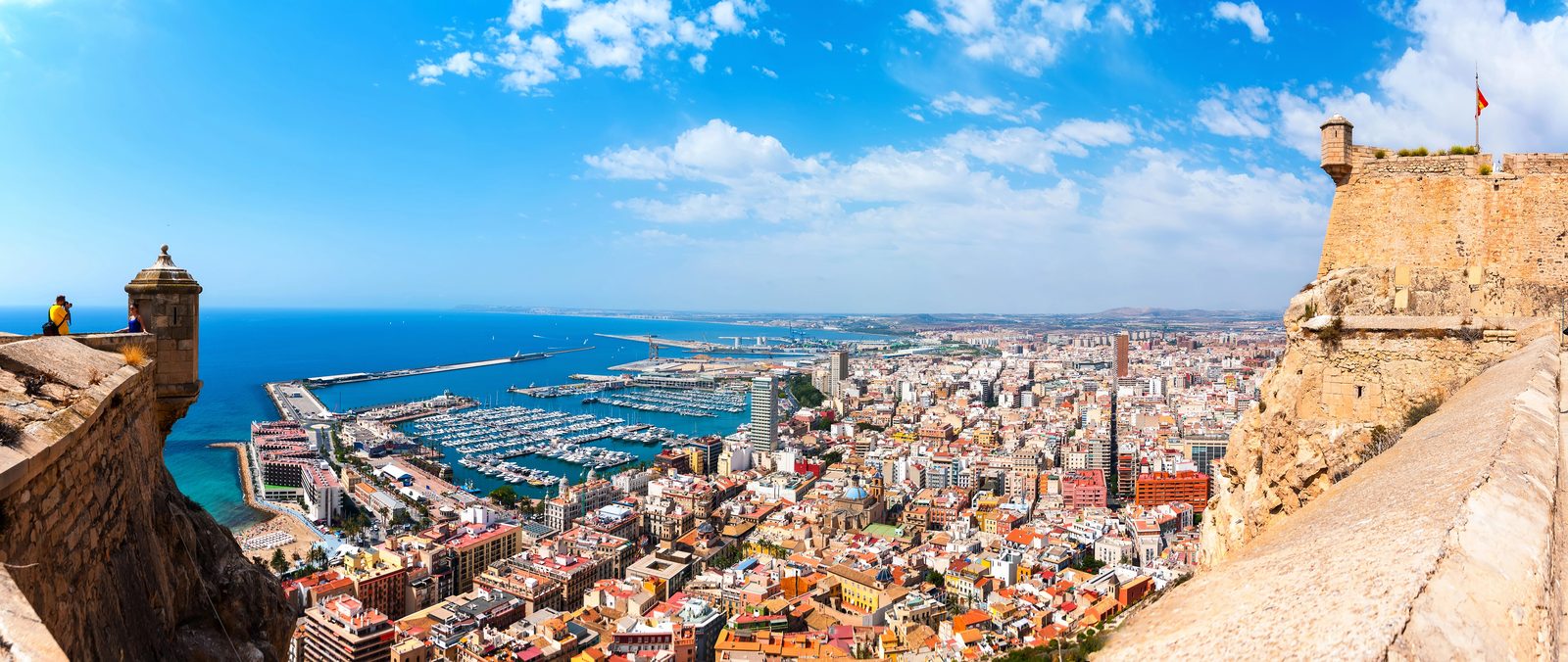
The clinic is at Av. del Doctor Ramón y Cajal 1, in the centre of Alicante, about 15 minutes by car from Alicante-Elche airport (ALC), one of the best connected in Spain with the United Kingdom, Ireland, the Netherlands, Belgium and Germany.
What to look for in accommodation:
- A lift. This is criterion number one. Rule out any option without one.
- Within walking distance of the clinic, or easily reached by taxi.
- An accessible shower rather than a bathtub.
- Shops or restaurants nearby, so you do not depend on long journeys in the first days.
The accommodation we usually recommend to our international patients, for proximity and accessibility, is Casa Alberola Alicante — Curio Collection by Hilton, Meliá Alicante and Eurostars Lucentum.
And you do not need to worry about the transfer from the plane: we offer an airport pick-up service. A clinic representative meets you at Alicante-Elche Miguel Hernández airport and accompanies you to the clinic and to your accommodation. Send us your flight number when planning the trip and we will arrange it.
Language: you will not have to translate your pain
Clinic staff will look after you in Spanish, English, German and French, and your clinical documentation is provided translated into English, French, German or Dutch. You can write to us in your own language from the first contact: all pre- and post-operative information is available translated.
You will find all the information for patients from outside Spain on our international patients page.
Frequently asked questions
Can I get a first assessment without travelling?
Yes. With photographs of your feet and, if you have them, previous X-rays, we can tell you whether your case fits the usual profile and plan dates. The definitive indication requires an in-person examination and a weight-bearing X-ray.
Can I have both feet done so I do not have to come back?
That is precisely one of the reasons many international patients choose us. It is assessed at the first consultation, following the criteria we explain in operating on both feet at once.
Do I need someone to come with me?
It is not essential, since surgery is a day case under local anaesthetic, but it is strongly recommended, especially for bilateral surgery.
Will my insurance cover it?
That depends on your policy and your country. We cannot process the reimbursement, but we can issue the clinical documentation insurers usually require. Check with your insurer before travelling and tell us which documents you need.
What if I have a complication once I am home?
You are given direct contact channels with the clinic — phone, WhatsApp and email, Monday to Thursday from 8:00 to 19:00 and on Fridays from 9:00 to 19:00 — and a report so that any healthcare professional in your country understands exactly which technique was used. If in doubt, write to us before going to an emergency department unfamiliar with the percutaneous technique.
Who stands behind this content
Content produced by Clínica San Román, dedicated to percutaneous foot surgery in Alicante since 1979, three generations. Medical team of the clinic:
Dr. José Manuel San Román Pérez — Fundador y Director Médico. Podólogo. Especialista en Cirugía Percutánea del Pie. Nº Colegiado: 2077.
Dr. I. San Román Sirvent — Médico. Especialista en Medicina Familiar y Comunitaria. Board Certified in Minimally Invasive Foot Surgery (USA). Nº Colegiado: 03-0310448-2.
Clínica San Román (Elosnasi, S.L.) · Registered healthcare centre no. 5357, Registro Autonómico de Centros, Servicios y Establecimientos Sanitarios de la Comunitat Valenciana.
Last updated: 31 August 2026.
This article is for information purposes and does not replace an in-person medical assessment.
- 📞 Phone: (+34) 965 921 156
- 📧 Email: info@clinicasanroman.com
- 📍 Address: Av. del Doctor Ramón y Cajal 1, 03001 Alicante, Spain