PERCUTANEOUS SURGERY IN ALICANTE
Bunion Surgery in Alicante
You'll walk out the same day. No screws in most cases.
If you’ve been putting off surgery because you’re afraid of the pain or recovery, this page is for you. At Clínica San Román, we have been treating hallux valgus since 1979, and today we perform minimally invasive percutaneous surgery (MIS): millimeter-long incisions, local anesthesia, and most patients walk out on their own the same day.
⭐ 4.8/5 (200+ Google reviews) · 🏅 Cert. MIS23BE03 (American Board) · 🇪🇺 Service available in 5 languages
Specialists since 1979
Since 1979
Family clinic founded in 1979
🏅 MIS23BE03
First in Europe to receive American Board certification in minimally invasive foot surgery
⭐ 4.8
200+ verified reviews on Google
🇪🇺 5
Languages: ES · EN · NL · FR · DE
Led by Dr. José Manuel San Román Pérez (founder) and Dr. Israel San Román Sirvent, a Fellow of the American Academy of Ambulatory Foot & Ankle Surgery since 1986.
What is a bunion, and why does it develop?
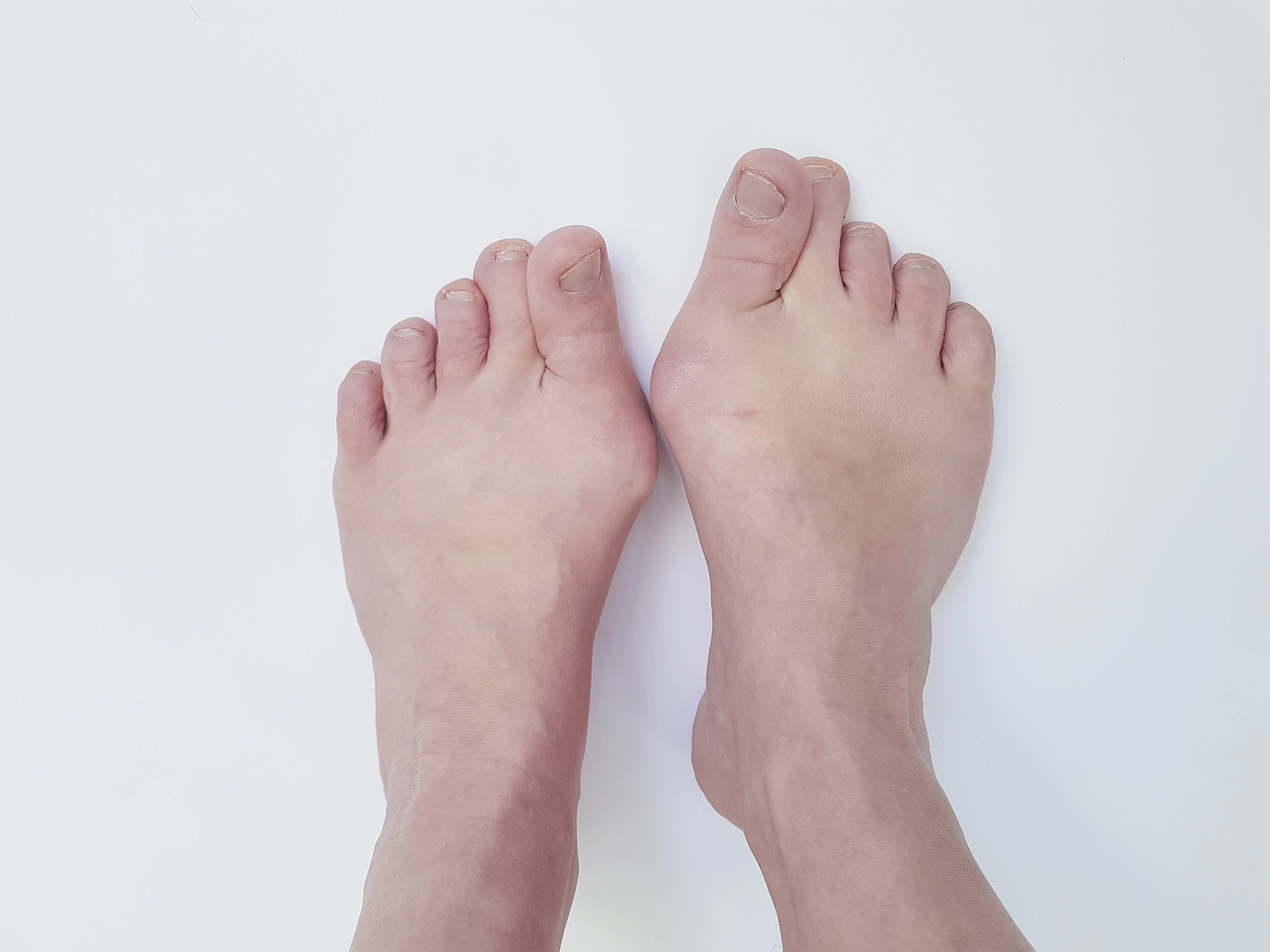
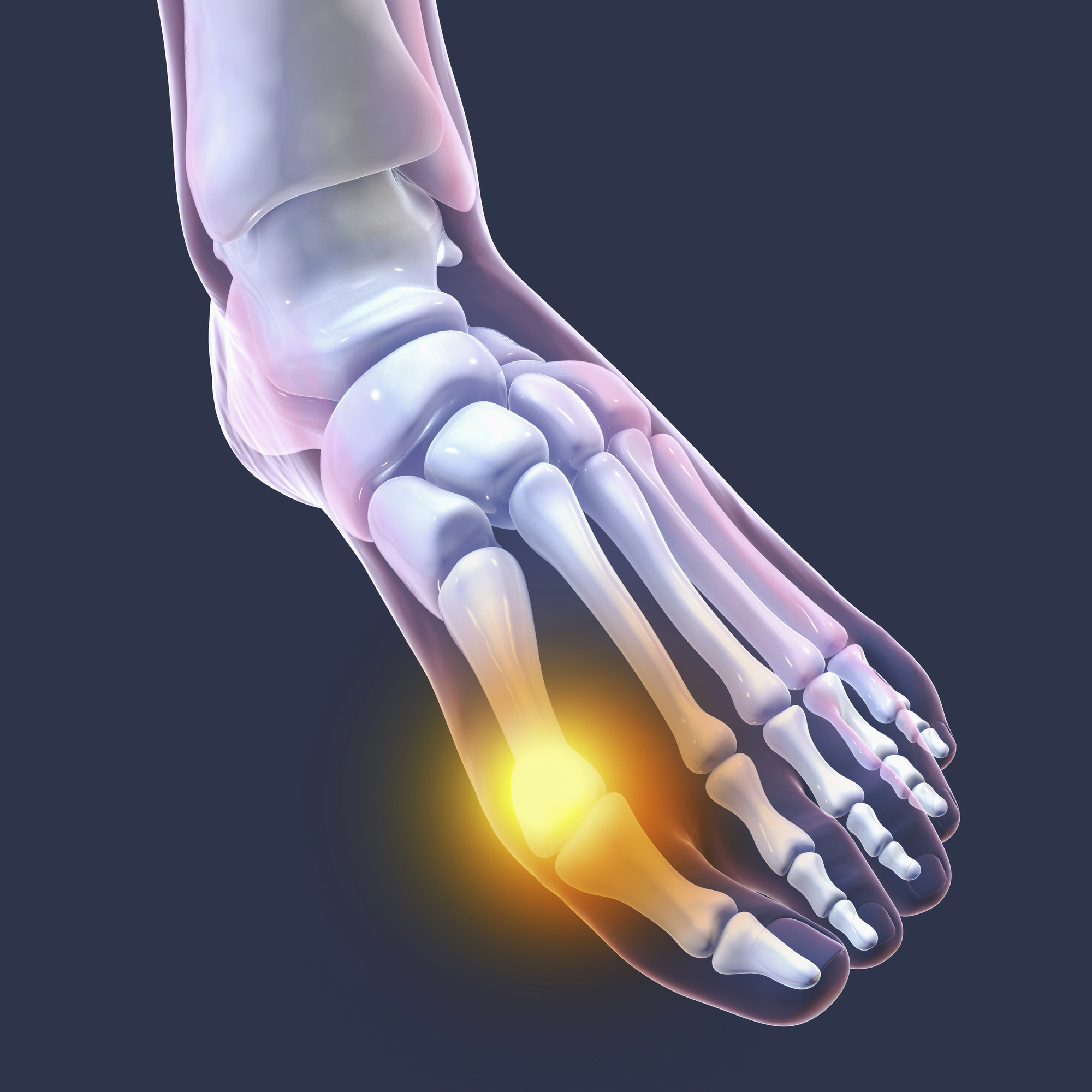
Hallux valgus —commonly known as a bunion—is a progressive foot deformity in which the big toe shifts toward the other toes and pushes the first metatarsal bone outward, creating that characteristic bony bump on the inner edge of the foot.
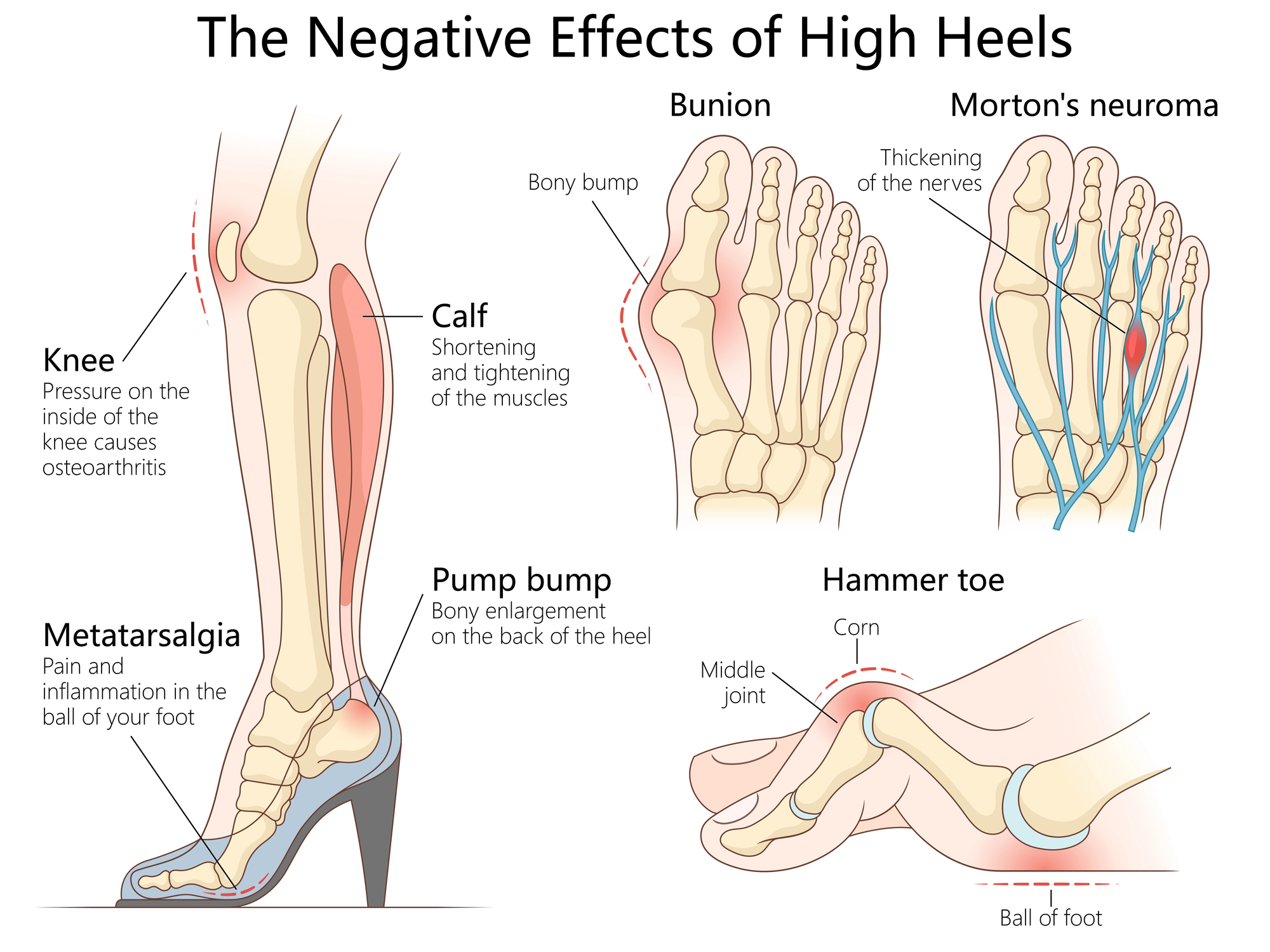
It is not just a “cosmetic bump.” Over time, the displacement causes inflammation, pain when walking, difficulty finding comfortable shoes, and often secondary deformities in the adjacent toes (claw toes or hammer toes).
Why does it appear?
Bunion formation is caused by multiple factors. There is rarely a single cause:
- Genetics — up to 83% of cases have a family history.
- Footwear — high heels and pointed-toe shoes worn for years.
- Foot type — flatfoot, joint hypermobility, short first metatarsal.
- Inflammatory diseases — rheumatoid arthritis, gout, psoriasis.
- Previous foot injuries.
- Occupation — spending many hours standing on hard surfaces.
That’s why, even if you’ve taken good care of your feet and done everything right, you might still have bunions—it’s not your fault.
Symptoms: What do you feel, and when should you see a doctor?
The symptoms of hallux valgus develop gradually. Be on the lookout for the following:
- Pain and swelling on the outside of the big toe.
- A bony protrusion on the inner side of the foot is becoming increasingly visible.
- Deviation of the big toe toward the other toes.
- Calluses and blisters caused by friction from footwear.
- Stiffness and limited movement in the thumb.
- Associated deformities: claw toes or hammer toes.
🔴 When to seek help without delay
- The pain also occurs at rest or at night.
- The shoes that used to fit you no longer do.
- Calluses, claw toes, or pain on the sole of the foot may develop.
- You’ve tried insoles, arch supports, and different shoes , but nothing helps.
Putting off surgery does not improve a bunion: it makes it worse and complicates the recovery process.

Can bunions be treated without surgery?
Not all bunions require surgery. In mild or moderate cases without limiting pain, conservative treatments may be sufficient for years to slow progression and relieve symptoms:
- Wide-fitting shoes with heels less than 5 cm high and thick soles.
- Custom insoles based on a gait analysis.
- Silicone separators and overnight treatments.
- Specific exercises and physical therapy to strengthen the muscles of the foot.
- Prescription anti-inflammatory medications for occasional flare-ups.
⚠️ What these measures DO NOT do: they do not eliminate the bunion. They only slow its progression or provide relief. The bone deformity can only be corrected with surgery. If the pain is affecting your daily life, minimally invasive surgery is the definitive solution.
Minimally invasive surgery for hallux valgus
The most advanced technique for correcting bunions. No screws. No general anesthesia. Same-day discharge.
We treat hallux valgus using percutaneous surgery (MIS: Minimally Invasive Surgery). This is the gold standard technique in Europe for correcting bunions and the only one we perform at Clínica San Román for this condition.
Dr. Israel San Román was one of the first doctors in Europe to obtain a certification in Minimally Invasive Foot Surgery from the American Board of Multiple Specialties in Podiatry (certificate MIS23BE03). He has been a Fellow of the American Academy of Ambulatory Foot & Ankle Surgery since 1986 and is a member of GRECMIP, AMIFAS, AEMIS, and AOFAS.
Traditional Open Surgery vs. Minimally Invasive Surgery at Clínica San Román
| Traditional open surgery | MIS at Clínica San Román | |
|---|---|---|
| Incision | 5 to 8 cm | Millimeter (2–3 mm) |
| Anesthesia | General or spinal | Local |
| Fastening | Screws, pins, or plates | No screws or foreign objects |
| Hospital admission | Regular | Outpatient — same-day discharge |
| Wandering | Crutches / immobilization for weeks | You can walk the same day in your post-operative shoes |
| Recurring sick leave | 6 to 12 weeks | 2 to 4 weeks |
| Scar | Visible | Virtually imperceptible |

▶ Video: Real-world results following MIS surgery
Dr. Israel San Román reviews the progress of a foot that underwent surgery some time after the procedure.
Realistic recovery after MIS surgery
- Day 0: The patient walks out of the clinic wearing a special postoperative shoe.
- First week: Rest with the foot elevated. Discomfort is usually manageable with standard pain relievers.
- Weeks 2–4: Gradual return to daily activities and work. Driving is usually possible within 2–3 weeks.
- Weeks 4–6: Full functional recovery is typical. Resume low-impact physical activity.
- Recurrence: rare when postoperative instructions are followed.

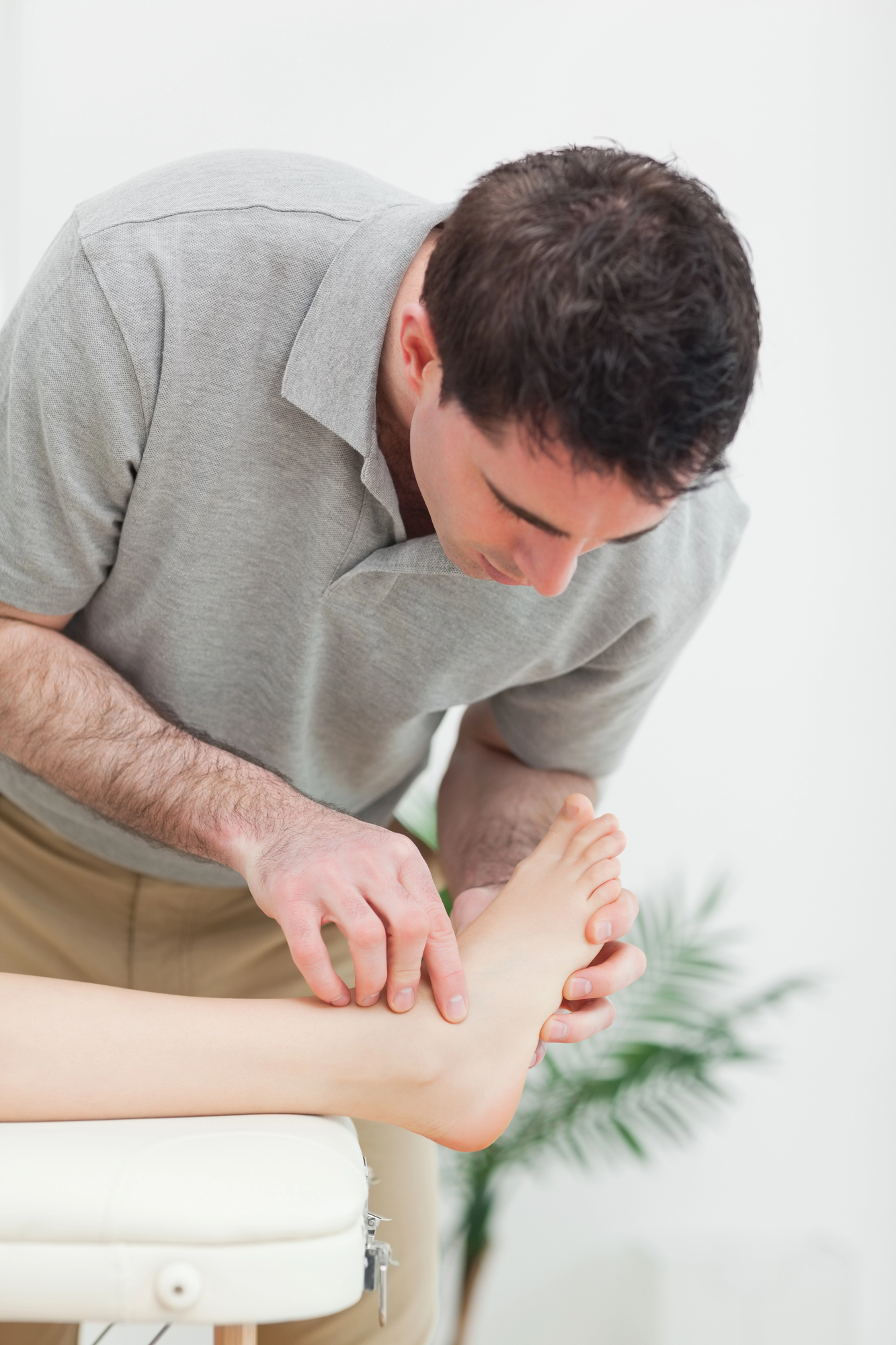
What is your first appointment with us like?
The initial consultation is free and requires no commitment. In just 30 minutes, we’ll clear up any questions you may have. Here’s what we do:
- Physical examination of the foot and review of your medical history.
- X-ray examination to accurately assess the degree of deformity.
- Biomechanical gait analysis when necessary.
- A clear explanation of whether your case is suitable for MIS, what the procedure would involve, and what results to expect.
- Fixed price, no surprises.
We provide services in Spanish, English, German, French, and Dutch. We are a leading clinic on the Costa Blanca for patients from the Netherlands, Belgium, Germany, the United Kingdom, and France who travel to Alicante for surgery.
Frequently Asked Questions About Bunions and MIS Surgery
📋 About your case
🏥 About the surgery
❌ Myths to Debunk

Should we keep putting it off, or should we just go for it?
If you’ve made it this far, you’ve probably been thinking about it for a while. The initial consultation is free and requires no obligation. In 30 minutes, we’ll clear up any doubts: whether your bunion can be treated with MIS, what your recovery will be like, and what results you can expect.
📞 +34 965 921 156
✉️ info@clinicasanroman.com
📍 Av. del Dr. Ramón y Cajal 1, 03001 Alicante
🌐 Service available in Spanish, English, German, French, and Dutch


