At Clínica San Román, minimally invasive surgery (MIS) or percutaneous surgery is our go-to technique for treating many foot conditions. However, there are some misconceptions surrounding it. One of the most common is the belief that bunions are “treated with a laser.” We’ll explain, in clear terms, what’s fact and what’s fiction.
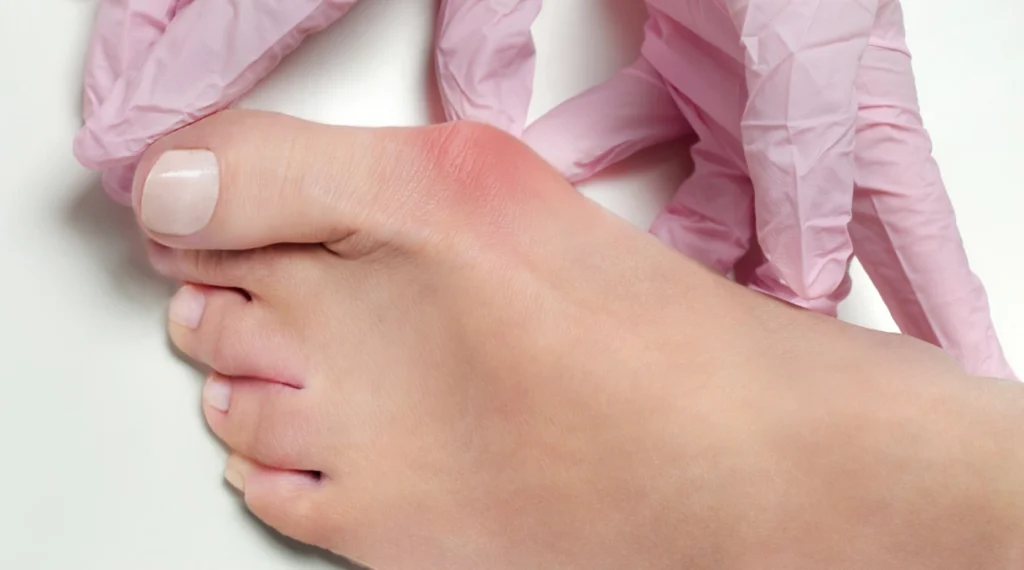
Is bunion surgery performed with a laser? The most widespread myth
No. To correct a bunion (hallux valgus), claw toes, or hammer toes, it is necessary to work on the bone, and a laser does not cut or reshape bone. The correction is performed using percutaneous surgery: millimeter-sized incisions through which the surgeon works with specialized instruments. Lasers, on the other hand, are reserved for other specialties (dermatology, ophthalmology) and for soft-tissue treatments, not for bone correction in the forefoot.
What exactly is percutaneous foot surgery?
Percutaneous or minimally invasive surgery involves correcting the deformity through incisions measuring just a few millimeters, without large openings. It is performed on an outpatient basis under local anesthesia: the patient arrives, undergoes surgery, and walks home the same day. Because the procedure minimizes tissue disruption, the postoperative period is generally more comfortable, with minimal pain and a faster recovery than with traditional open surgery.
So, what is the laser used for in podiatry?
Lasers and other technologies do have their place, but in the treatment of soft tissues and the skin, not bone. It is important not to confuse the two fields:
- Correction of bunions, claw toes, and hammer toes: percutaneous surgery (performed on the bone).
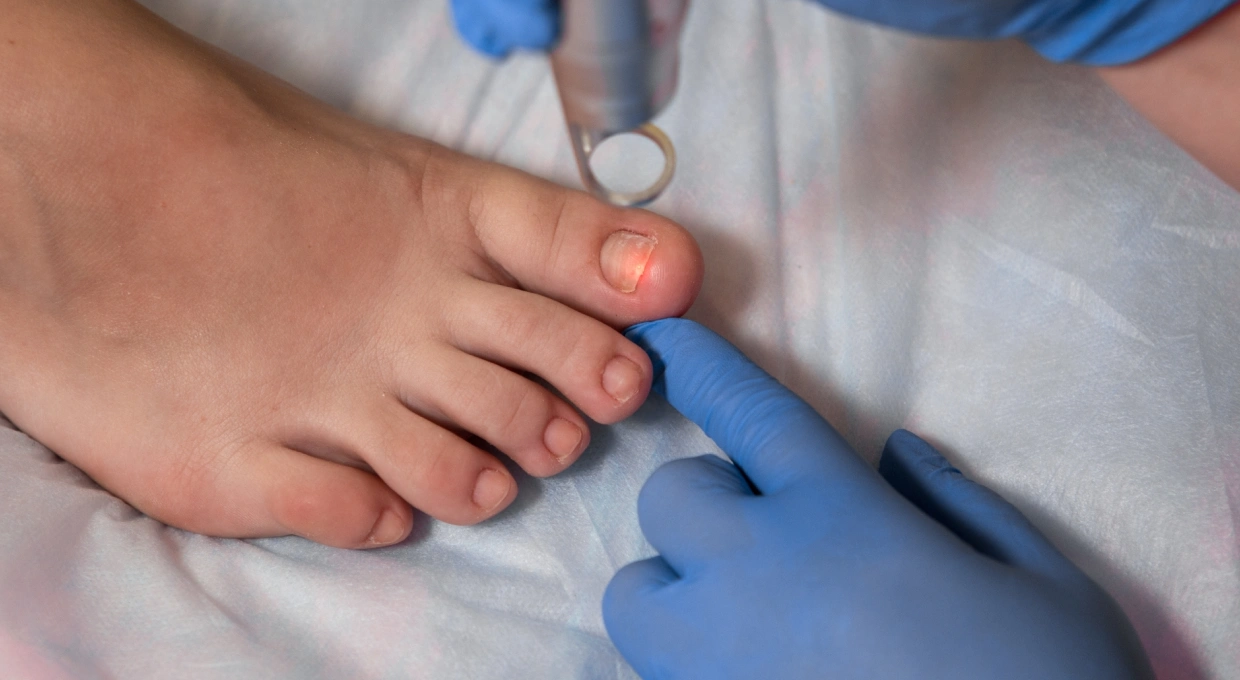
- Skin and nail conditions (plantar warts, papillomas, ingrown toenails): Depending on the case, techniques such as Swift® microwave therapy, nail surgery, or other specific treatments are used.
What conditions do we treat with percutaneous surgery?
- Bunion (hallux valgus)
- Claw toes and hammer toes
- Metatarsalgia
- Other Forefoot Deformities
Every foot is different, so the specific recommendation and technique are determined after an individualized assessment.
Advantages of the Minimally Invasive Technique
- Less tissue damage: millimeter-long incisions minimize damage around the treated area.
- Outpatient surgery: no hospital admission; the patient goes home the same day.
- Local anesthesia: This avoids the risks associated with general anesthesia.
- A more comfortable postoperative period: with minimal pain and a typically faster recovery.
- Minimal scarring: barely noticeable since large incisions are not required.
Other Common Myths About Foot Surgery
“Bunion surgery is extremely painful.” With the percutaneous technique, the procedure is performed under local anesthesia, and postoperative pain is well managed with standard analgesics; most patients describe it as more bearable than they expected.
“You have to be on sick leave and in a cast for months.” Most patients can walk in special shoes from the very first days and resume their normal activities within a few weeks, depending on the individual case.
“Screws are always used.” In many cases, percutaneous surgery makes it possible to correct the deformity without using screws or pins.
At Clínica San Román, with experience since 1979 and as European pioneers in percutaneous foot surgery, we help you distinguish between reliable information and myths. If you have questions about your case, we recommend scheduling a personalized consultation with our team.