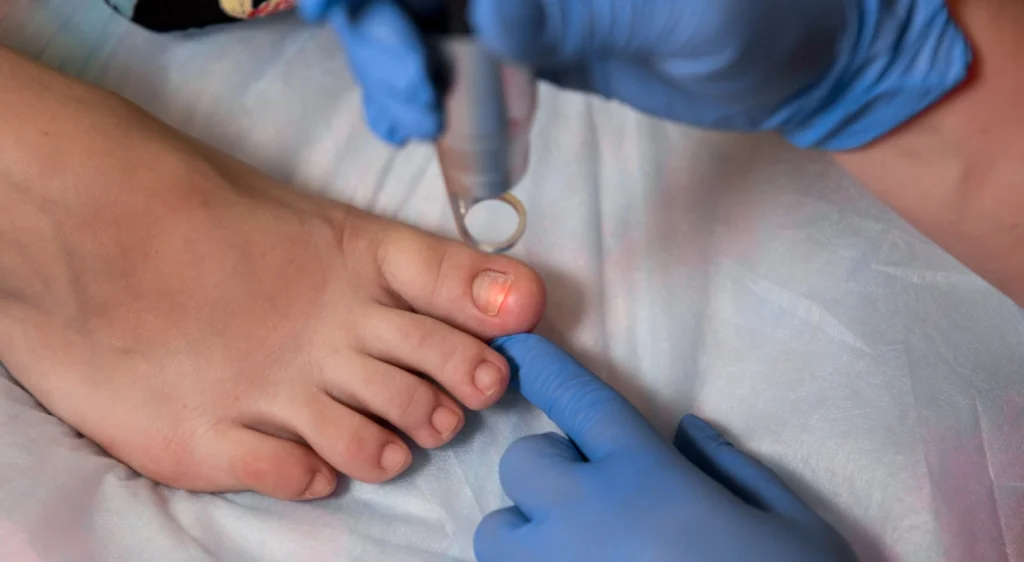
As the cold weather sets in, many people notice reddish, swollen, and itchy lesions on their toes: these are chilblains (also known as perniosis). Although they are usually mild and not serious, they are very uncomfortable and tend to recur every winter. Understanding why they occur and how to prevent them is the best way to avoid them.
What is chilblains?
Chilblains are an inflammation of the small blood vessels in the skin that occurs as a reaction to exposure to cold. It mainly appears on the distal, most exposed areas: the toes and fingers, heels, ears, and nose. It should not be confused with frostbite, which is a much more serious cold injury; chilblains are a mild, though uncomfortable, inflammatory response.
Why Do They Occur? Risk Factors
When the skin cools down, the blood vessels constrict to conserve heat. If the skin then warms up suddenly, blood rushes back, and the smaller vessels can become inflamed and leak fluid into the surrounding tissues. Some people are more prone to this than others.
- Poor circulation in the hands and feet.
- Humidity and sudden changes in temperature.
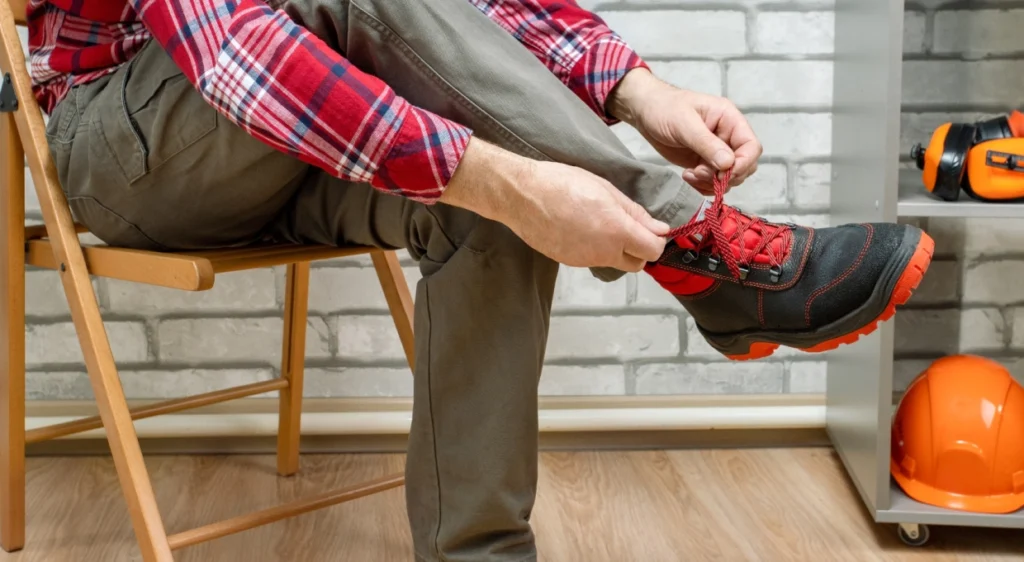
- Socks or shoes that are damp or too tight.
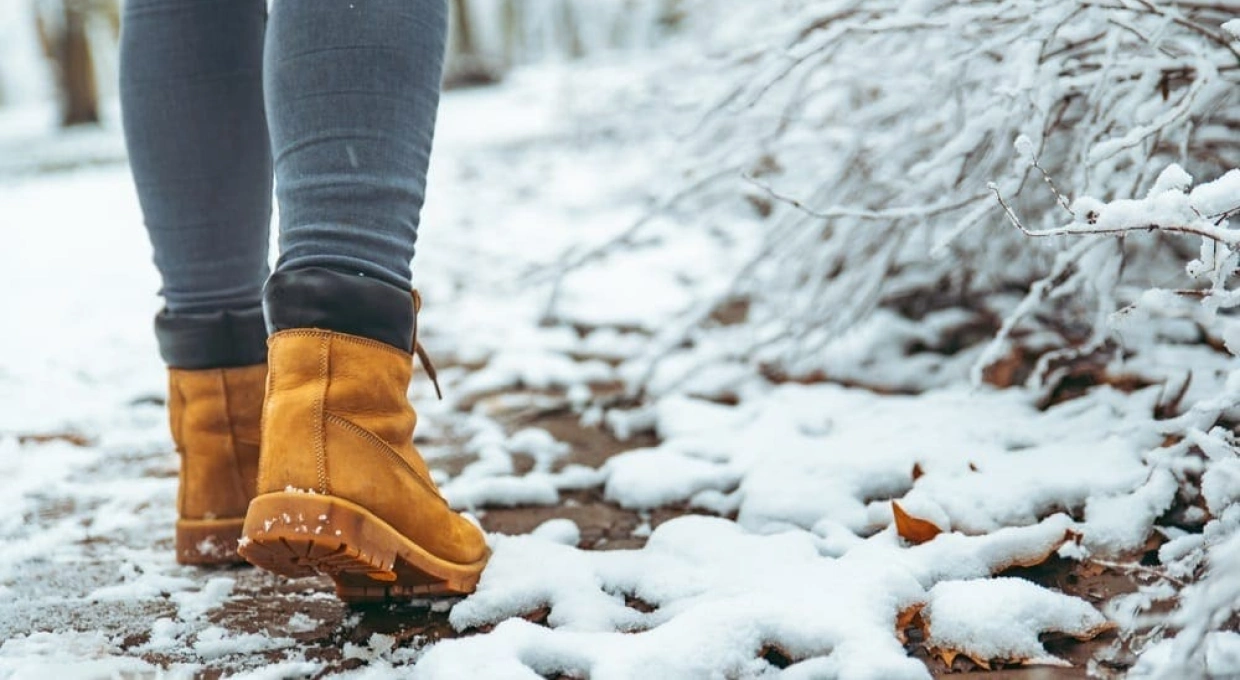
- A sedentary lifestyle or spending many hours in the cold.
- More common in young women and people with sensitive skin.
Symptoms: How to Recognize Them
Chilblains usually appear as red or purplish patches, localized swelling, itching (which worsens when the area warms up), and, occasionally, a burning sensation or pain. In more severe cases, blisters or small sores may develop. They usually clear up within one or two weeks if exposure to the cold is avoided.
How to Prevent Chilblains
- Keep your feet warm and dry; change your socks as soon as they get wet.
- Avoid sudden changes in temperature: do not place cold feet directly in front of a stove or radiator.
- Wear breathable socks (wool or cotton) and shoes that don’t squeeze your toes.
- Move your fingers, walk around, and do some light exercise to get your blood flowing.
- Moisturize your skin daily to keep it supple and prevent cracks.
- If you smoke, keep in mind that smoking worsens peripheral circulation.
What should you do if they’ve already appeared?
The first step is to protect the area from the cold and allow it to warm up gradually—never all at once. It’s best not to scratch, so as not to damage the skin or increase the risk of infection. Keeping the skin clean and moisturized aids in recovery. If the itching is very bothersome or the lesions do not improve, it is best to consult a healthcare professional before applying any product on your own.
When should you see a podiatrist?
You should seek professional medical advice if your chilblains recur every winter, are very painful, become infected, or if you develop wounds that do not heal. For people with diabetes or circulatory problems, any foot injury requires immediate attention, as the skin is more vulnerable and wounds heal more slowly.
Frequently Asked Questions
Is chilblains contagious? No. They are an individual reaction to the cold, not an infection, so they are not contagious.
Are they dangerous? Generally speaking, no, but if they occur very frequently or appear with very little exposure to the cold, it’s a good idea to consult a healthcare professional to rule out other causes.
At Clínica San Román, we take care of your feet’s overall health. Whether chilblains limit your activities every winter or you have particularly sensitive skin, we’ll help you prevent them and care for your feet properly.