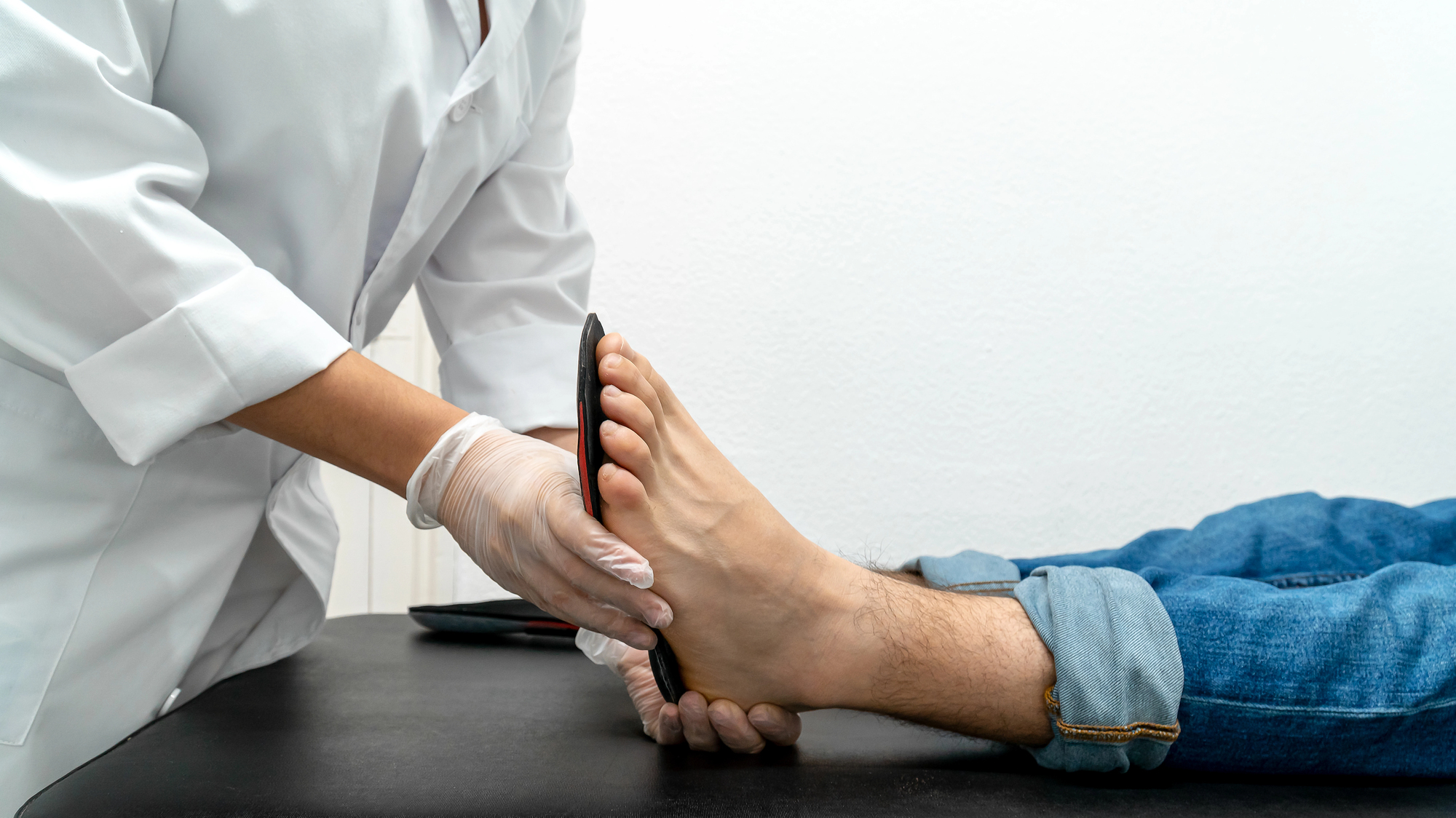
When foot pain begins to limit your daily life, the first line of defense is usually conservative treatment. You go to a specialist, have a tread study done and get a prescription for customized insoles. At first, the relief is noticeable. You feel that you have regained control, that you can walk again without that constant twinge and that the problem is finally solved.
However, the human body is a dynamic structure. Orthopedic insoles are excellent tools to redistribute pressures, compensate for dysmetria or relax the plantar fascia. But we must be honest: insoles cannot reverse a structural bone deformity.
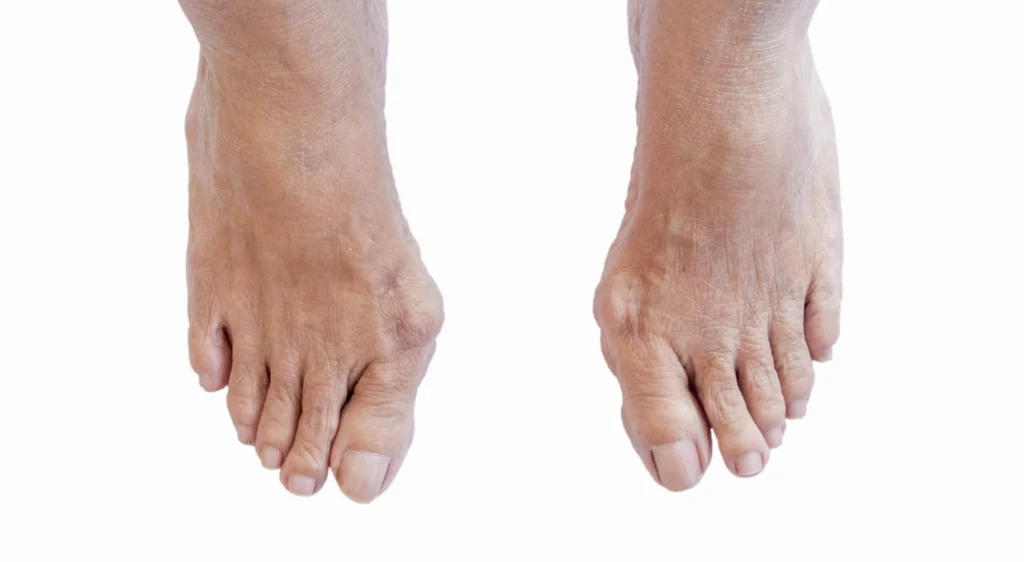
If you suffer from bunions(hallux valgus) or claw toes, there comes a time when the bone runs its course. Continuing to rely solely on an insole when the structure of the foot has already given way is like trying to support the foundation of a building by putting a patch on the wall.
If you’re wondering if it’s time to stop postponing the inevitable and look for a lasting solution, check out these 5 warning signs. If you recognize yourself in them, your templates are no longer a solution but a simple postponement.
1. Pain recurs, even in comfortable, athletic shoes.
The main function of an insole is to cushion and correct the load axis so that the foot works in a neutral position. For the first few months or years, this usually soothes joint inflammation.
The first major warning sign is when pain returns to your routine, despite wearing the inserts in a roomy running shoe. If the rubbing on the side of the bunion or the pressure on the tip of the claw toe hurts even when you wear sneakers, it means that the bony deviation has exceeded the margin of correction that the insole can offer. The problem is no longer how you step, but the shape your bone has adopted.
2. Visual deformity is increasingly evident
Silicone inserts and spacers do not reduce the size of a bunion. At most, they may slightly slow its progression by improving gait biomechanics, but they do not “push” the bone back to its original site.
Do a simple test: compare the condition of your feet today with the condition of your feet two years ago. If you notice that the protrusion of the first metatarsal is more pronounced, or that the second toe is starting to ride over the big toe, structural damage is progressing. Ignoring this cosmetic and functional progression is dangerous, as the greater the deformity, the more complex the adjacent joints become.
3. You are forced to buy shoes one size larger.
This is one of the most frustrating symptoms for patients. You are not buying a size up because your foot has grown, but because you need a wider shoe to accommodate the bunion or a higher toe box so your claw toe doesn’t rub.
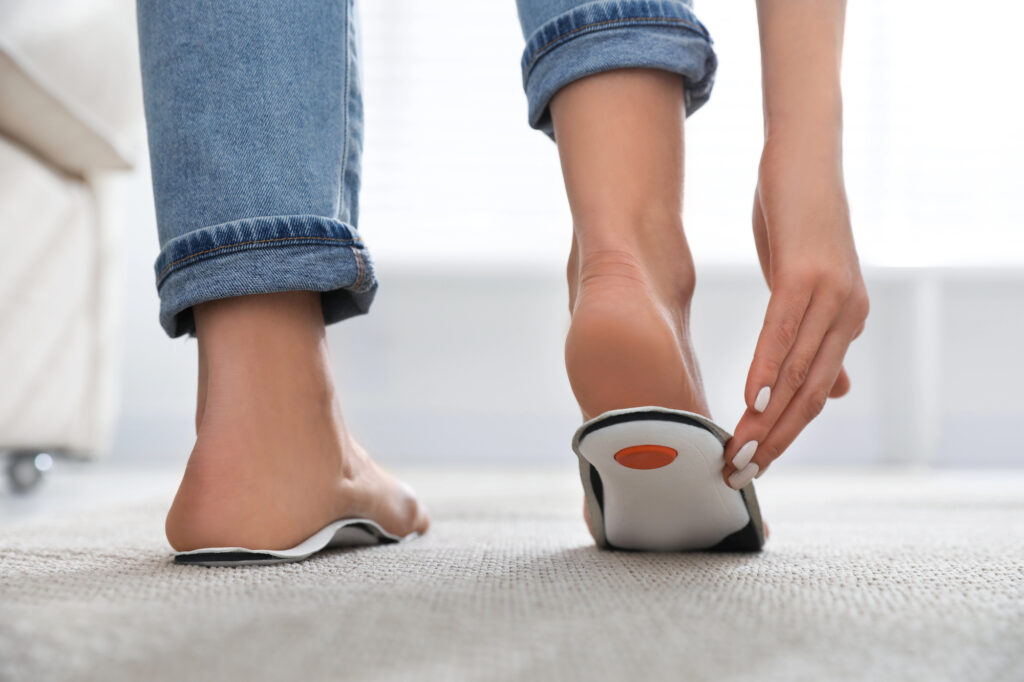
Buying larger shoes generates a serious secondary problem: the rest of the foot (heel and instep) is “dancing” inside the shoe. This causes instability, makes the insole not fit properly in the shoe and forces your toes to make an unnatural “gripping” effort with each step to avoid losing the shoe, which ends up generating plantar fasciitis and more pain.
4. Recurrent calluses appear in spite of the podiatrist.
Calluses, corns or “crow’s eyes” (helomas) are not skin problems, they are bone problems. The skin hardens as a defense mechanism against constant friction.
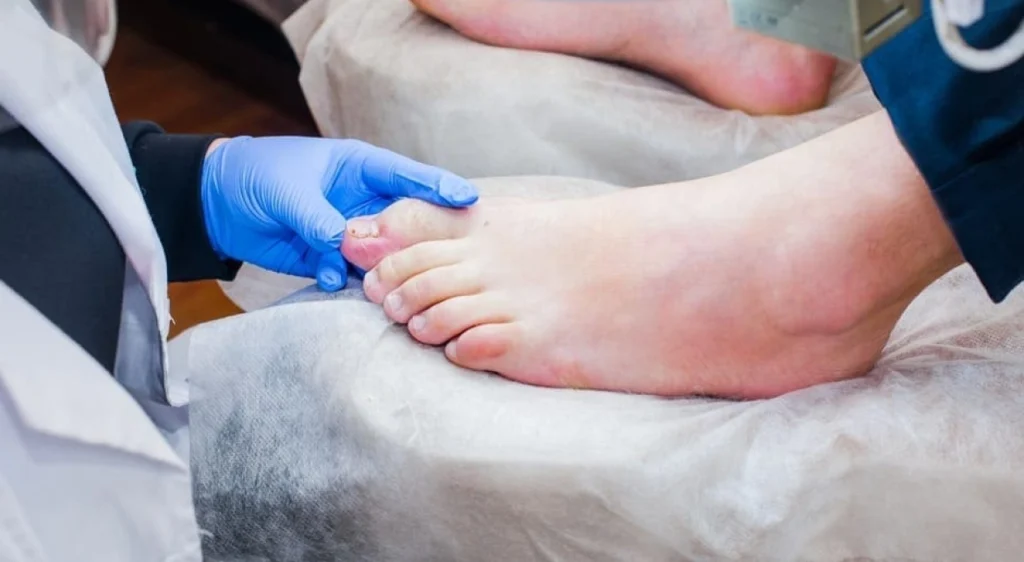
If you regularly go to your podiatrist to have these calluses removed and a few weeks later they reappear in exactly the same place, it is a sure sign. It means that, no matter how good your insole is, it is not preventing the deviated bone from rubbing against the shoe or the adjacent toe. Until the underlying bony cause is corrected, the callus will keep coming back, and so will the pain.
5. The “domino effect”: You feel pain in your knees or lower back.
The foot is the foundation on which your entire kinetic chain rests. If the base fails, the whole building suffers. When an advanced bunion alters the way you stand, your body unconsciously modifies the way you walk to avoid pain.
You may start to put more weight on the outside edge of your foot or avoid the natural toe-off phase. These millimeter compensations, repeated thousands of times a day, force your knees to rotate unnaturally and your pelvis to tilt. If you wear insoles but have begun to suffer from chronic low back pain, calf overload or meniscus impingement, it is very likely that your upper joints are paying the price for a foot deformity that can no longer be contained conservatively.
The tipping point: Lasting solutions without disrupting your life
Recognizing that the insoles have reached their limit should not be a cause for frustration, but the first step to recovering your quality of life permanently. Historically, the fear of the operating room (crutches, screws, prolonged sick leave) made patients endure pain until it became unbearable. Today, medicine has changed the rules of the game.
At Clínica San Román, we have been perfecting Minimal Incision Surgery (MIS) since 1979. If your insoles are no longer sufficient, our percutaneous technique offers you a lasting correction of bunions and claw toes with advantages that adapt to your rhythm of life:
- No general anesthesia: We use local anesthesia in the ankle area, minimizing any risk.
- Millimeter incisions: No large cuts or complicated stitches, which drastically accelerates healing.
- You walk out the same day: No crutches or casts. After the operation, you leave the clinic on your own feet with adapted post-surgical footwear.
- Consolidated results: We correct the anatomical root of the problem so that the deformity tends not to reappear.
Don’t let pain decide what shoes you can wear, what sports you can play or how much you can walk. If you have detected any of these 5 signs in your feet, it is time to take control and seek a professional assessment.
Are you ready to take the step towards a pain-free life? Our medical team is at your disposal to evaluate your case. For an accurate assessment, we recommend that you contact us and attach a photo of the current state of your feet.
- 📞 Phone: (+34) 965 921 156
- 📧 Email: info@clinicasanroman.com
- Address: Av. del Doctor Ramón y Cajal 1, 03001, Alicante.