Biomechanical gait analysis is one of the most useful tools in modern podiatry. It helps you understand how you place your foot and walk, and from there, discover why certain discomforts occur and how to prevent them. We’ll explain what it involves, what it’s used for, and who should have it done.
What is a biomechanical gait analysis?
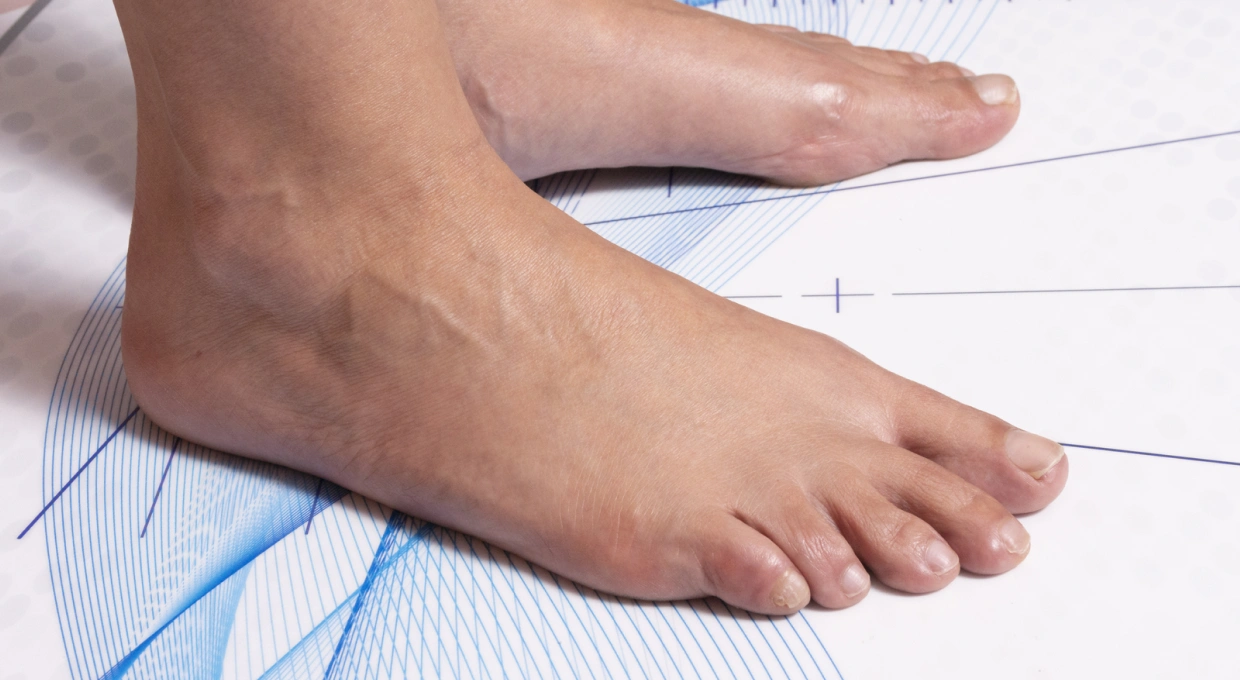
It is a detailed analysis of the way you walk and move. It combines an examination of the foot, ankles, and posture with an observation of your gait—both statically (while standing still) and dynamically (while walking)—often using pressure platforms and video recording. The goal is to identify imbalances, asymmetries, and areas of excessive strain that would go unnoticed at first glance.
What is it used for?
It helps identify the cause of many common ailments—heel pain, metatarsalgia, overuse injuries, calluses, or uneven wear on shoes—and guide the most appropriate treatment. It doesn’t stop at the foot: an abnormal gait can have a ripple effect—the so-called “domino effect”—on the knees, hips, and back. Correcting it early helps prevent a chain reaction of problems.
How is it done?
It is a painless, noninvasive test that usually consists of several stages:
- Interview and medical history: symptoms, activity level, usual footwear, and medical history.
- Examination of the foot and the affected joints.
- Static analysis on a pressure platform to see how you distribute the weight.
- Dynamic analysis, observing and recording the foot strike while walking.
- Assessment of footwear and its wear and tear.
Who should get it done?
- People with recurring foot pain or discomfort in their knees, hips, or back.
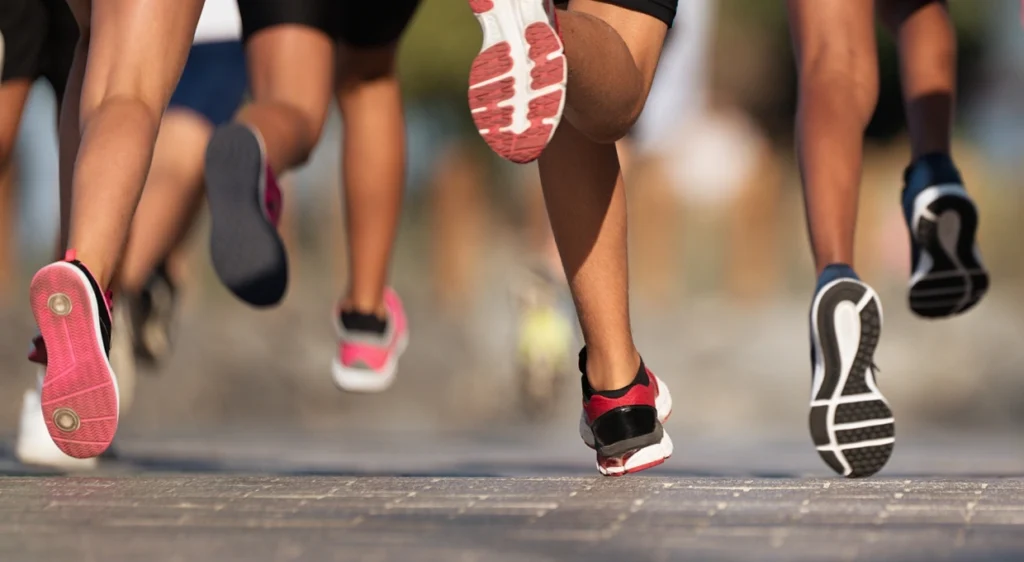
- Athletes and runners, to improve performance and prevent injuries.
- People who notice uneven wear on their shoes.
- Children with abnormalities in their gait or the way they put weight on their feet.
- People with diabetes, to help manage blood pressure.
- Before ordering custom insoles.
From Research to Solution
With the results in hand, we can recommend footwear guidelines, exercises, and, when appropriate, custom insoles tailored to your foot. The key is that these insoles aren’t generic: they’re designed based on your specific gait, so they correct exactly what your foot needs.
Frequently Asked Questions
Does it hurt, or is it just uncomfortable? No. It’s a completely painless test; you’ll simply walk and stand while the data is recorded.
How often should this be repeated? It depends on the individual case. For growing children or athletes, checkups can be done periodically; for adults, checkups should be done when new symptoms appear or there is a change in activity.
If you experience discomfort when walking or want to know if your gait is proper, at Clínica San Román we can analyze it and recommend the best way to take care of it.
Is it the same as gait analysis? Yes, these terms are used interchangeably to refer to this analysis of gait and foot strike.
Is it suitable for children? Yes. During childhood, it is especially useful for detecting changes in gait or foot placement early on and addressing them when it is easiest to do so.