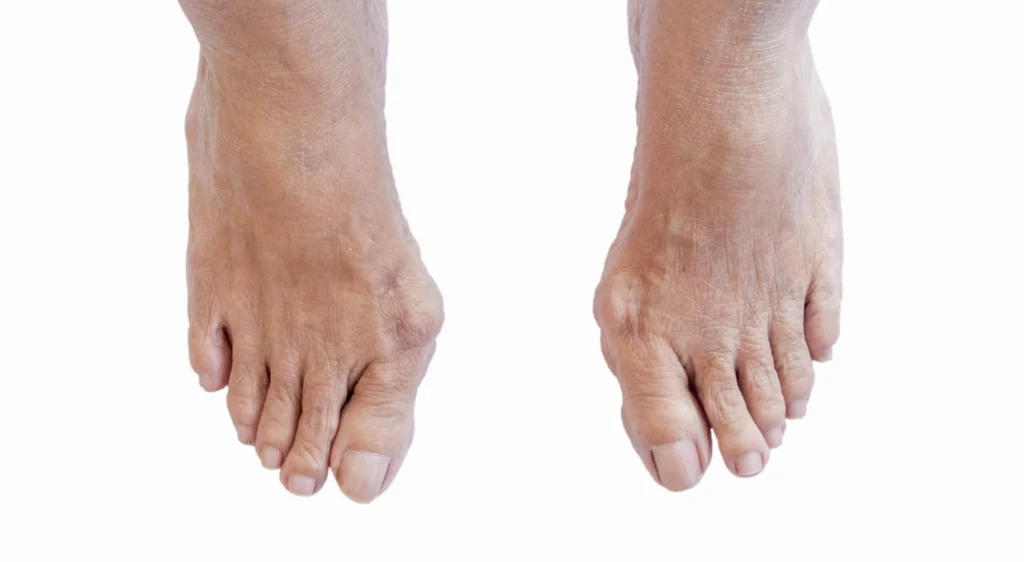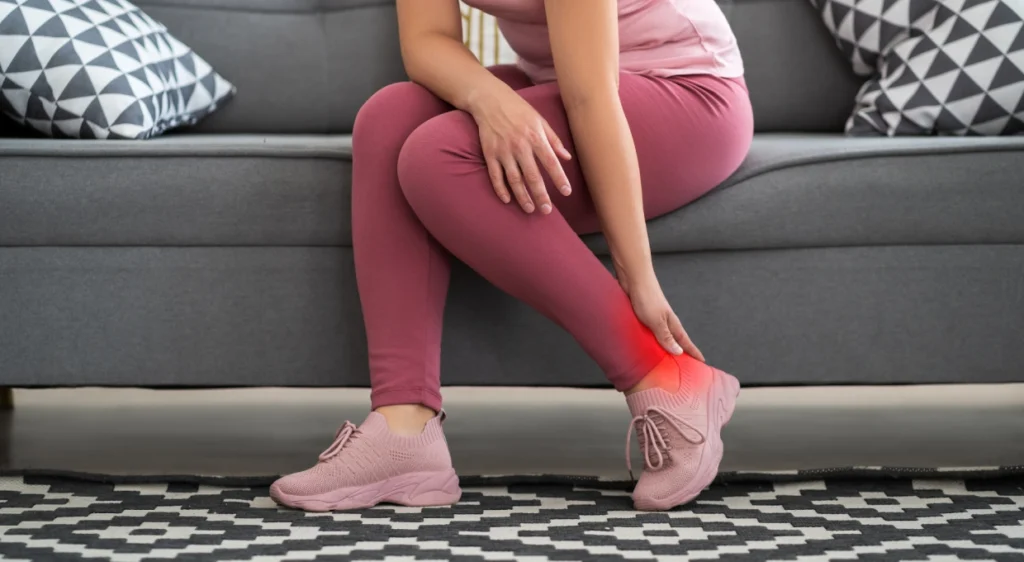

There comes a time in life when foot pain forces you to consider the inevitable. Shoes no longer fit, insoles no longer work, and every step is a constant reminder that you need a solution. You know that surgery is the way, but then the big brake appears: the fear of the postoperative period.
Historically, surgery for bunions(hallux valgus) or claw toes was associated with a traumatic experience. It involved weeks of immobility, crutches, severe pain and a desperate loss of autonomy. However, medicine has evolved. Today, once you discover that there is a quicker, cleaner way without the strings attached to the traditional system, the perspective changes completely.
That pathway is Minimal Incision Surgery (MIS). In the following, we will explain without dense medical language and with absolute honesty what the real differences are between the traditional method and the percutaneous technique, and why the simple fact of walking out on your own feet changes absolutely everything.
Traditional Open Surgery: The Classic Method and its Tolls
Open surgery has been the standard for decades. It is an effective technique for realigning the bone, of that there is no doubt, but the “toll” that the patient must pay for this correction is very high.
In a traditional procedure, the surgeon needs to see the bone directly. To do this, he or she makes long incisions (between 5 and 10 centimeters), which involves cutting skin, tendons and soft tissues. Once the bone is fractured and realigned, something is needed to hold it in its new position. This is where foreign bodies come into play: titanium screws, plates or K-wires that stay inside your foot.
The impact on your life:
As it requires a greater aggression to the tissues, this type of intervention usually requires general or epidural anesthesia. The postoperative period is painful, the swelling is severe and the patient faces a period of immobilization that ranges from 4 to 8 weeks. This means crutches, dependence on family members to go to the bathroom or take a shower, and a time off work that can last for months.
MIS (Minimal Incision Technique): The revolution of autonomy
Minimal Incision Surgery (MIS) is a game changer by prioritizing a key concept: maximum respect for the patient’s anatomy. At the San Roman Clinicwe have been perfecting this percutaneous technique since 1979.
Instead of opening the foot, we perform the procedure through millimeter incisions (as small as 2 or 3 millimeters). The surgeon does not need to expose the bone; he is guided by fluoroscopy equipment (real-time X-rays) and uses high-precision rotary instruments to correct the deformity from the inside. Most importantly, we do not use screws or metal plates. The bone is stabilized in a natural way thanks to a specific functional bandage.
The impact on your life:
Since there is no tissue tearing, inflammation and postoperative pain plummet. Local anesthesia is used, focused only on the ankle, eliminating the risks and dizziness of general anesthesia.
Visual Comparison: Traditional Surgery vs. MIS Technique
| Feature | Traditional Open Surgery | MIS Technique (Clínica San Román) |
| Wound size | Large incisions (5 – 10 cm) | Micro-incisions (2 – 3 mm) |
| Type of anesthesia | General or epidural | Local (ankle lock) |
| Use of materials | Internal screws, plates or needles | No foreign bodies (natural fixation) |
| Recovery time | Slow (weeks or months of immobility) | Fast (early reinstatement) |
| Immediate mobility | Requires crutches and complete rest | You walk out on your own the same day |
| Scar | Visible and often unsightly | Virtually invisible over time |
The priceless value of walking out on the first day
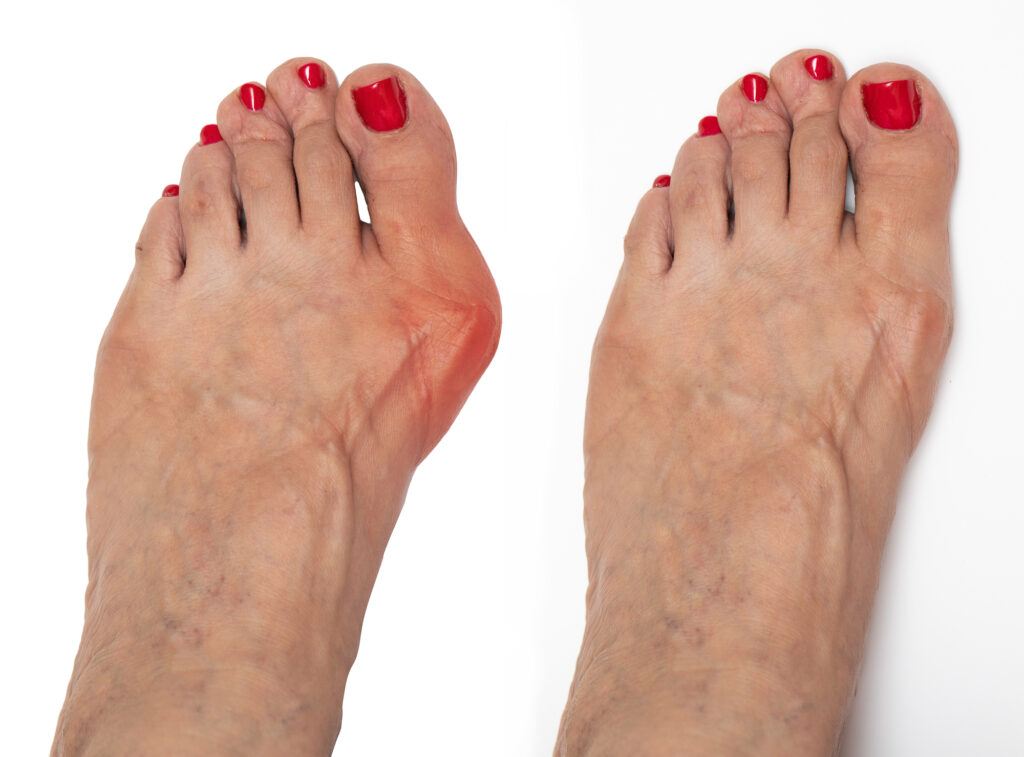
Beyond the technique, what really matters is how the procedure affects your routine. Fear of dependency is the number one factor why patients delay this operation.
When you have MIS surgery, the surgery is strictly outpatient. This means that you walk into the clinic and, a couple of hours later, walk out the door wearing special orthopedic shoes. No crutches. No wheelchairs. No having to ask your partner or children to assist you in getting around the house.
This immediate load-bearing capacity is not only an immense psychological relief, but is also medically beneficial. By supporting your foot from the first minute, you stimulate blood circulation, reduce the risk of thrombus and prevent your leg muscles from atrophying from lack of use. You maintain your dignity, your autonomy and control over your time.
Your time and health are non-negotiable
Postponing surgery for fear of a painful postoperative period is a mistake that your body will end up paying for with major deformities and joint pain in knees and back. Today, medical technology allows you to solve the root of the problem without pausing your life for months.
If you are looking for a lasting, strategic solution with the least possible impact on your daily life, percutaneous surgery is the answer.
Do you want to know if you are a candidate for the MIS technique?
At Clínica San Román we evaluate your case in a personalized way. In order to offer you an accurate diagnosis, we invite you to send us your consultation with at least one photograph of the current state of your feet.
- 📞 Phone: (+34) 965 921 156
- 📧 Email: info@clinicasanroman.com
- Address: Av. del Doctor Ramón y Cajal 1, 03001, Alicante.