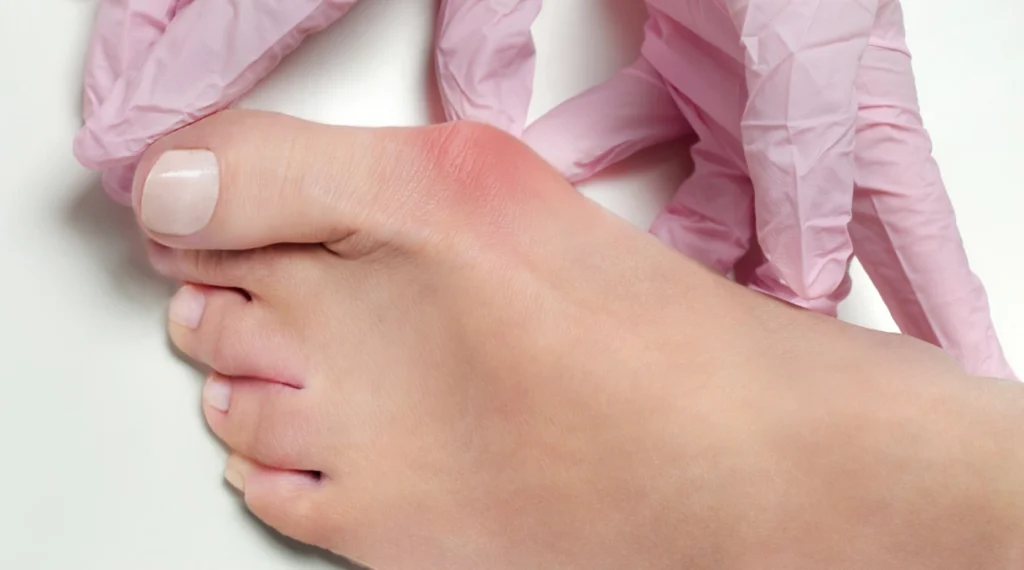
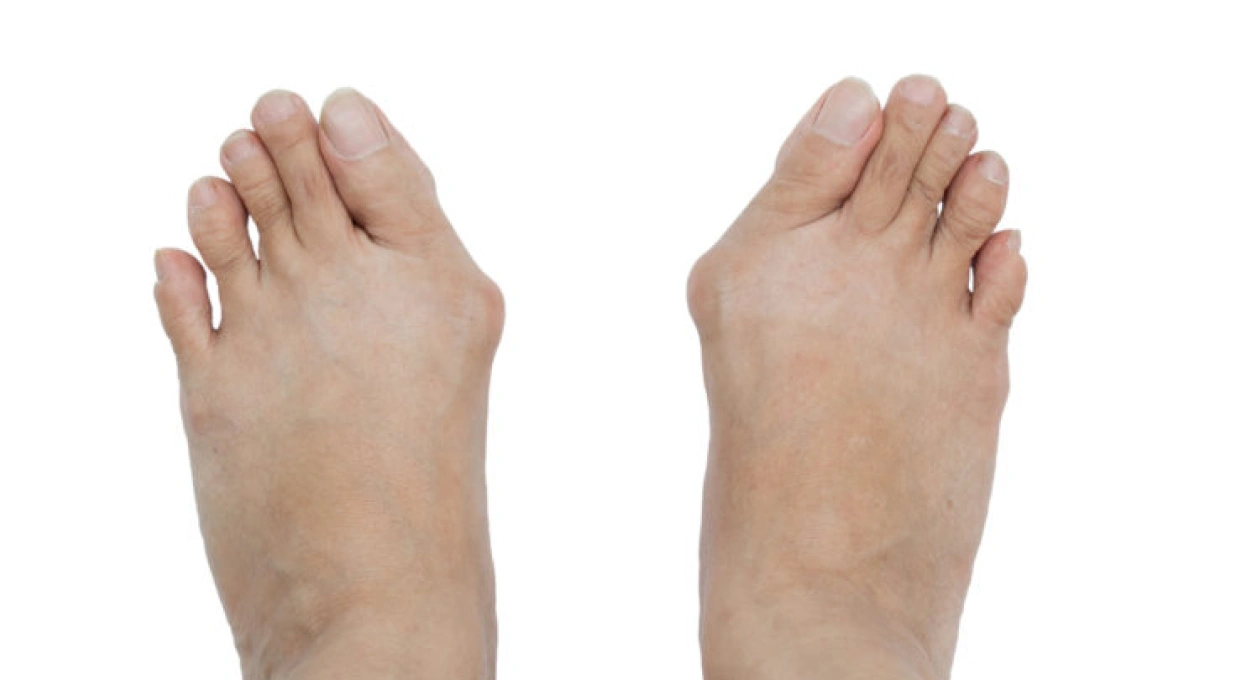
At Clínica San Román, we closely follow the latest scientific evidence on the treatment of bunions (hallux valgus). One of the most significant advances in recent years has been the establishment of the MICA technique, a minimally invasive approach whose results have already been validated by comparative studies.
What is the MICA technique?
MICA stands for Minimally Invasive Chevron and Akin: a combination of two osteotomies—one in the first metatarsal (Chevron) and another in the phalanx of the big toe (Akin)—performed through percutaneous surgery, using millimeter-sized incisions. It corrects the deviation of the big toe without the large incisions required in traditional open surgery.
What does the scientific evidence say?
A prospective cohort study (68 patients and one year of follow-up) compared the minimally invasive MICA technique with open Chevron osteotomy. The conclusions were clear: both techniques achieved significant improvements, with no relevant differences in clinical and radiological outcomes, complication rates, or procedure duration. In other words, the MICA technique proved to be as effective and safe as open surgery, but with the advantage of being much less invasive.
What does this mean for the patient?
- Less tissue damage thanks to millimeter-long incisions.
- Outpatient surgery under local anesthesia: The patient walks home the same day.
- Minimal, barely noticeable scars.
- A more comfortable postoperative period, with minimal pain and a recovery that is usually faster.
Is minimally invasive surgery suitable for any bunion?
Not all bunions are the same. The choice of one technique over another depends on the degree of deformity, the condition of the bone, and each patient’s individual characteristics. Therefore, before considering any procedure, an individualized evaluation is essential to determine the most appropriate option for each case.
The Importance of the Surgeon’s Experience
Percutaneous surgery requires a high level of technical skill and involves a considerable learning curve. At Clínica San Román, we have experience since 1979 and are European pioneers in minimally invasive foot surgery, certified by the ABMSP (American Board of Multiple Specialties in Podiatry). It is this track record that allows us to apply techniques such as MICA with expertise and confidence.
If you’re considering bunion surgery and want to know which technique is best for you, the next step is a personalized consultation with our team.
Frequently Asked Questions
Is minimally invasive surgery effective for severe bunions? It depends on the case. In cases of very advanced deformities, the indication is evaluated on a case-by-case basis; therefore, a preliminary evaluation is essential to determine the most appropriate technique.
How long does recovery take? With the percutaneous technique, most patients walk in special shoes from the very first days and resume their normal activities within a few weeks, depending on the individual case.
Are screws used in the MICA technique? In many cases, correction is achieved without the use of screws or pins, although this is determined on a case-by-case basis depending on the severity of each patient’s deformity.