MIS SURGERY · INGROWN TOENAIL · ALICANTE
Ingrown toenail: a lasting, pain-free solution
Minimally invasive partial mastectomy. No stitches. No time off work. No recurrences.
If your ingrown toenail keeps coming back—if you’ve already had the tip trimmed, used cotton balls, and tried antibiotics, but the pain persists—you need a permanent solution. At Clínica San Román, we perform a minimally invasive partial matricectomy that eliminates the root cause of recurrence. Local anesthesia, 20 minutes, and you’re walking the same day. Recurrence rate less than 5% according to scientific evidence.
⭐ 4.8/5 (200+ reviews) · 🏅 Cert. MIS23BE03 · 🇪🇺 5 languages
Specialists since 1979
Since 1979
Family clinic founded in 1979
4.8 ★
200+ reviews on Google
MIS 🏅
First in Europe to offer an MIS subspecialty (Cert. MIS23BE03)
🇪🇺 5
Languages: ES · EN · DE · FR · NL
What is an ingrown toenail?
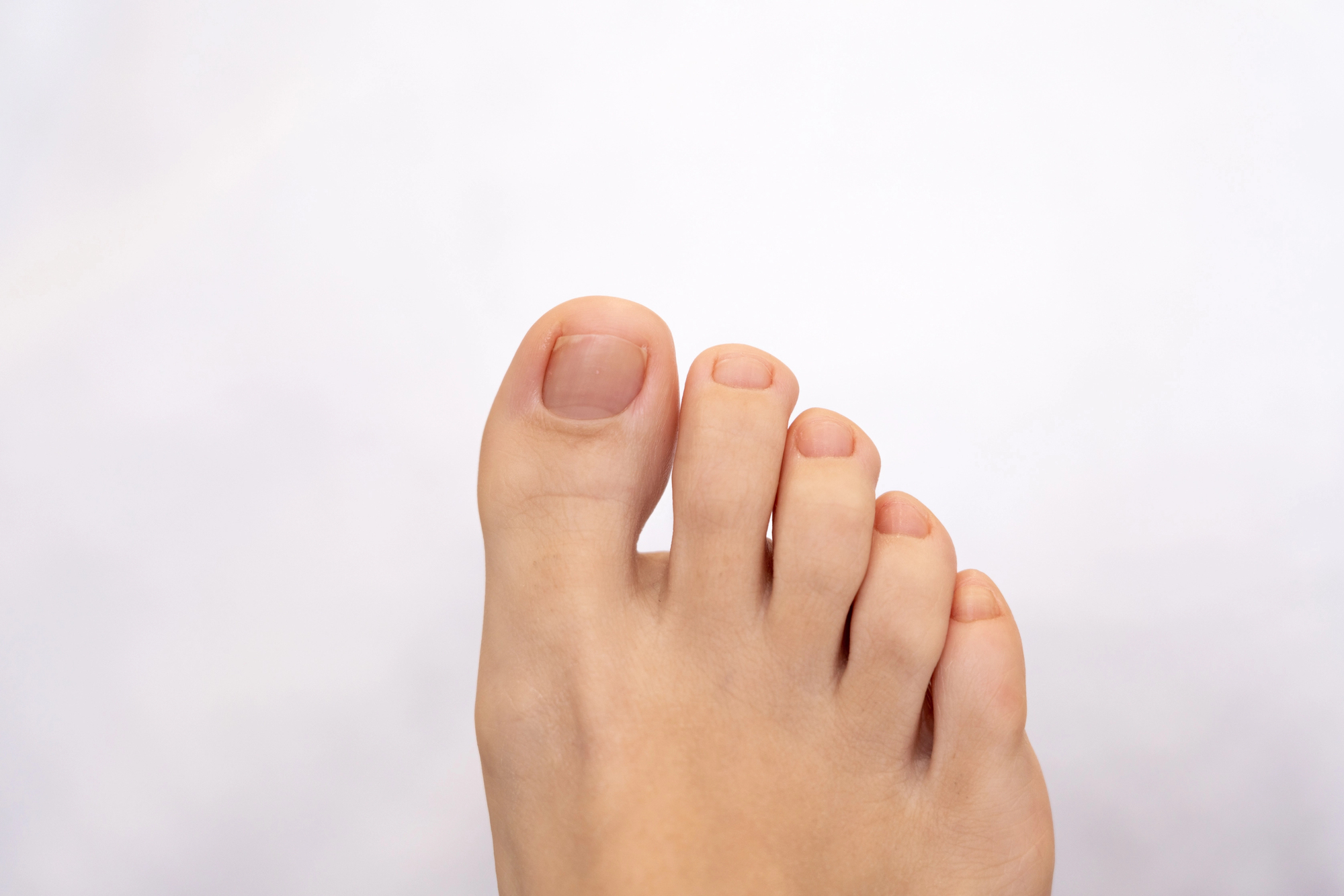
An ingrown toenail (onychocryptosis) occurs when the side of the nail plate grows into the soft tissue of the nail fold. It primarily affects the big toe (first toe) and is one of the most common podiatric conditions: it is estimated to affect 2.5–5% of the general population and is particularly prevalent among adolescents and young adults.
The process usually begins with pressure from the edge of the nail against the skin. If left untreated, it progresses through three classic stages (Heifetz classification): from mild inflammation (Stage I) to infection with a pyogenic granuloma and deformity of the nail fold (Stage III). At this point, conservative treatment is rarely effective, and surgery is needed to resolve the problem definitively.
What many people don’t realize is that trimming the tip of the nail at home actually makes the problem worse. When you trim the nail into a V-shape or cut it too short, it creates a sharp splinter that grows inward, perpetuating the cycle of pain and infection.
Symptoms: When Should You See a Podiatrist?
An ingrown toenail progresses through three stages. The sooner you take action, the easier and faster the treatment will be:
- Stage I — Mild inflammation: pain when pressing on the edge of the nail, slightly red and swollen skin. You may experience discomfort when wearing closed-toe shoes.
- Stage II — Infection: The pain worsens, pus forms, and the skin fold becomes more swollen and red. This may make it difficult to walk normally.
- Stage III — Granuloma: A pyogenic granuloma (excessive fleshy tissue growing over the nail) forms, accompanied by frequent bleeding and constant pain even at rest. The finger may have a foul odor due to the chronic infection.
⚠️ Seek medical attention immediately if you notice pus, excess skin growing over the nail, or a fever. In patients with diabetes, peripheral vascular disease, or immunosuppression, an untreated ingrown toenail can lead to serious complications (cellulitis, osteomyelitis).
Why do ingrown toenails occur?
Onychocryptosis does not have a single cause, but rather a combination of factors that contribute to the nail edge digging into the skin:
Mechanical factors
- Improper cutting: cutting nails in a curved shape, cutting them too short, or leaving sharp edges on the sides.
- Tight-fitting shoes: pointed-toe shoes, heels that squeeze the toes.
- Trauma: repeated impacts (soccer, running, ballet), dropping a heavy object.
Anatomical and systemic factors
- Involute nail: genetically determined roof-tile-like morphology (excessive transverse curvature).
- Hyperhidrosis: Excessive sweating softens the skin and makes penetration easier.
- Obesity: increased pressure on the toes.
- Medications: Some drugs (retinoids, indinavir) affect nail growth.
Our treatment: minimally invasive partial mastectomy
The ultimate solution for recurring ingrown toenails.
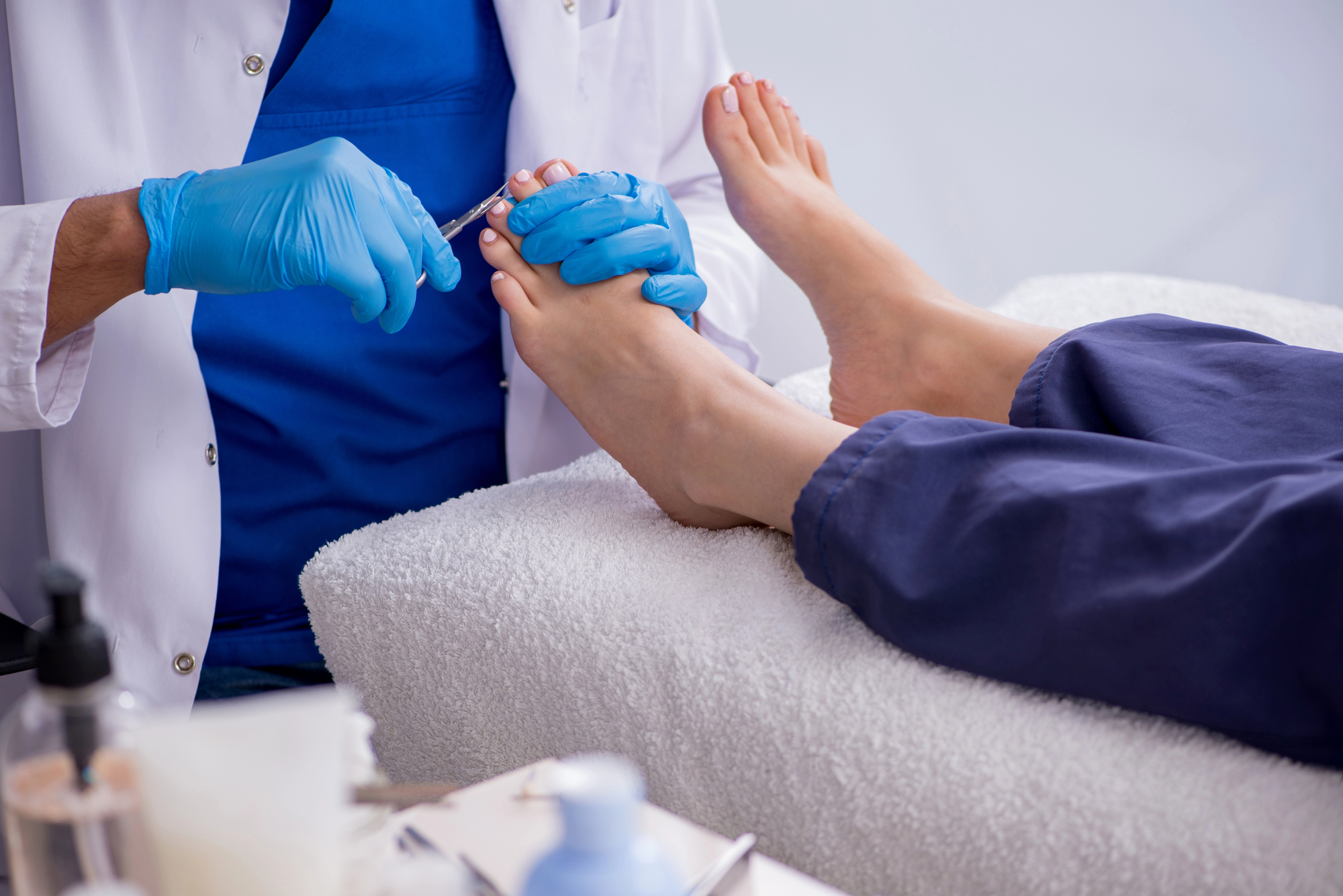
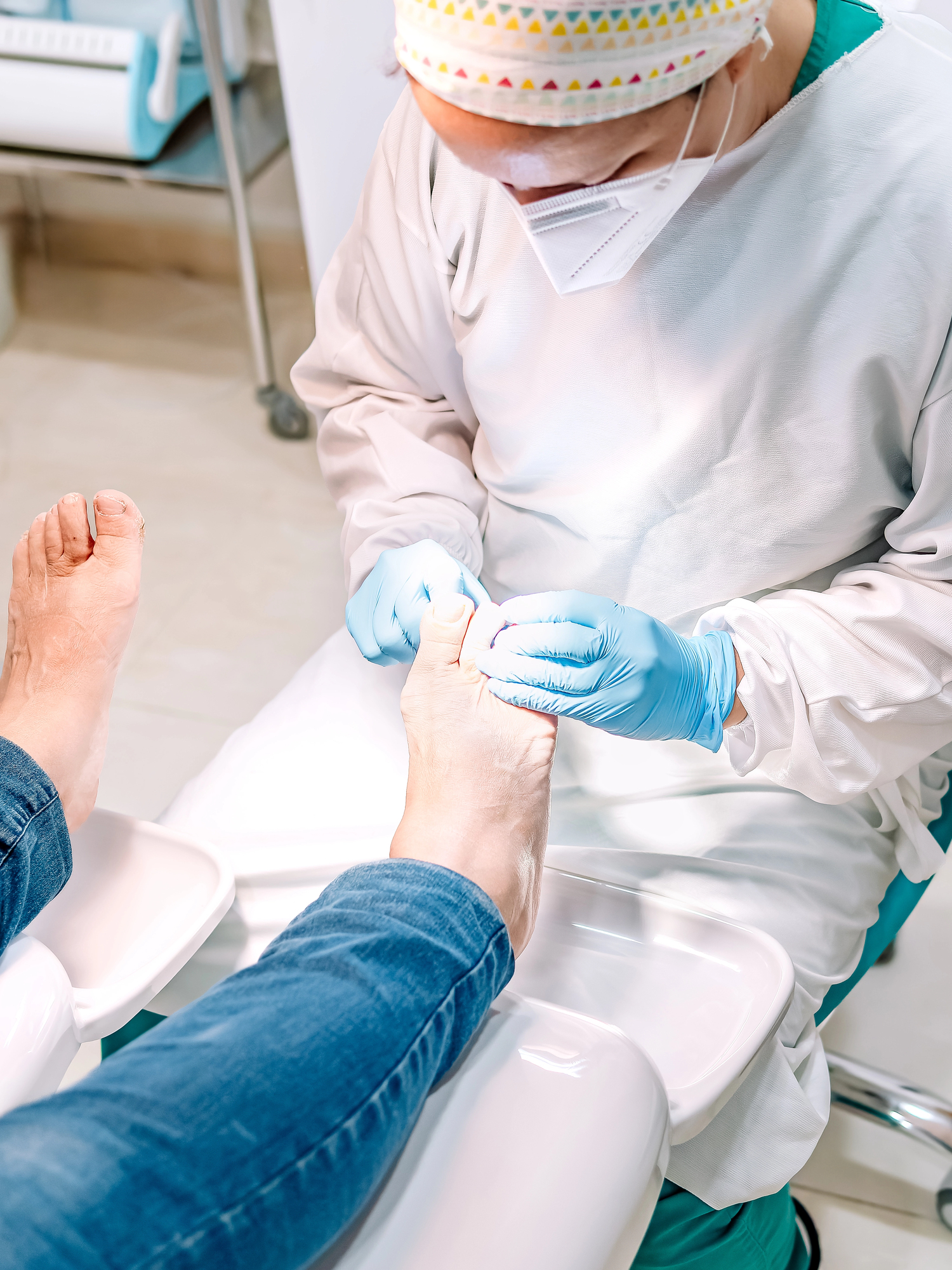
At Clínica San Román, we perform a minimally invasive partial matricectomy: an outpatient procedure lasting 15–30 minutes in which, under local anesthesia, the portion of the nail matrix responsible for the recurrence is selectively removed. It is the gold standard treatment backed by scientific evidence, with a success rate of over 95% and a recurrence rate of less than 5%.
What does the procedure involve?
- Digital local anesthesia: Anesthetic is applied to the base of the finger. From that point on, you won’t feel anything in your finger.
- Removal of the splinter: The piece of nail embedded in the skin is removed, immediately relieving the pressure.
- Partial matrixectomy: 88% phenol is applied (chemical matrixectomy) or mechanical ablation is performed on the lateral portion of the matrix, selectively destroying the germinal cells responsible for the problematic edge. The rest of the nail is left untouched.
- Bandaging and discharge: A compression bandage is applied, and you walk out on your own two feet.
Key Benefits
- No pain during the procedure (local anesthesia).
- No stitches or sutures.
- No sick leave required: most patients return to their normal activities within 2–3 days.
- Final result: The recurrence rate following partial phenol matricectomy is <5%.
- Excellent cosmetic results: the nail looks practically normal.
- Suitable for people with diabetes and vascular patients (with appropriate precautions).
Matricectomy vs. Other Treatments for Ingrown Toenails
| Spiculectomy alone | Partial mastectomy (phenol) | Complete nail avulsion | |
|---|---|---|---|
| Recurrence | High (50–70%) | Very low (<5%) | Moderate (30%) |
| Postoperative pain | Mild | Mild | Moderate to intense |
| Final appearance | Normal (but recurrent) | Pretty much normal | A nail may grow in a deformed shape |
| Sick leave | 1–2 days | 2–3 days | 1–2 weeks |
| Indication | Stage I: On schedule | Stage II–III or recurrent | Severe onychodystrophy |
Prevention: How to Prevent It From Happening Again
If you’ve ever had an ingrown toenail or want to prevent one, these habits are key:
Proper cut
Cut your toenails straight across, without rounding the corners. Use a straight-edged nail clipper (not a manicure clipper). Cut the nail to the length of the free edge of the toe— never shorter. Gently file the edges to prevent sharp points.
Appropriate footwear
Wear shoes with a wide toe box that don’t squeeze your toes. Avoid wearing high heels and pointed-toe shoes for long periods of time. When exercising, make sure there is 1 cm of space between your longest toe and the front of the shoe.
Hygiene and Hydration
Wash and dry your feet thoroughly every day, especially between your toes. If you have hyperhidrosis, wear socks made of cotton or breathable technical fabrics. Moisturize the skin around your nails (not the nail plate) to keep it supple.

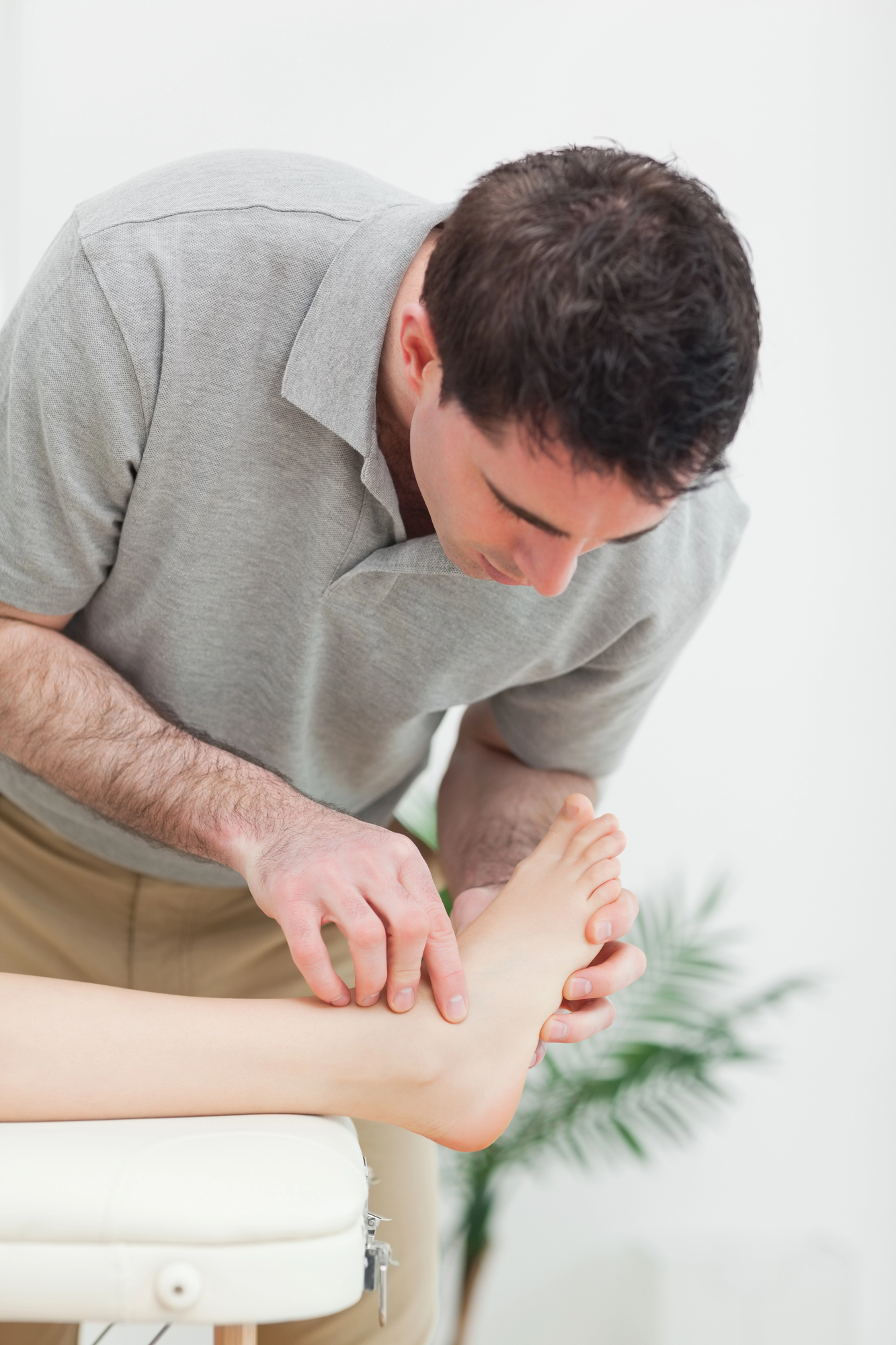
Your first appointment with us
The initial consultation is free and requires no obligation. We’ll explain exactly what’s wrong with your nail, what stage it’s at, and what the best treatment option is for you:
- Clinical examination: We assess the extent of the condition, the presence of infection, the nail’s appearance, and any potential contributing factors.
- Personalized diagnosis: We determine whether your condition can be treated with conservative therapy (spiculectomy + orthonyxia) or whether you require matricectomy.
- A clear plan of action: we’ll explain the procedure, recovery time, and post-operative care. No surprises.
Frequently Asked Questions About Ingrown Toenails
📋 About the condition
🏥 About the surgery
❌ Myths

Stop suffering from an ingrown toenail. Fix it today.
Solving foot problems since 1979. The initial consultation is free and requires no obligation. In just one visit, we’ll confirm the diagnosis and recommend the most appropriate treatment for your condition.
📞 +34 965 921 156
✉️ info@clinicasanroman.com
📍 Av. del Dr. Ramón y Cajal 1, 03001 Alicante


