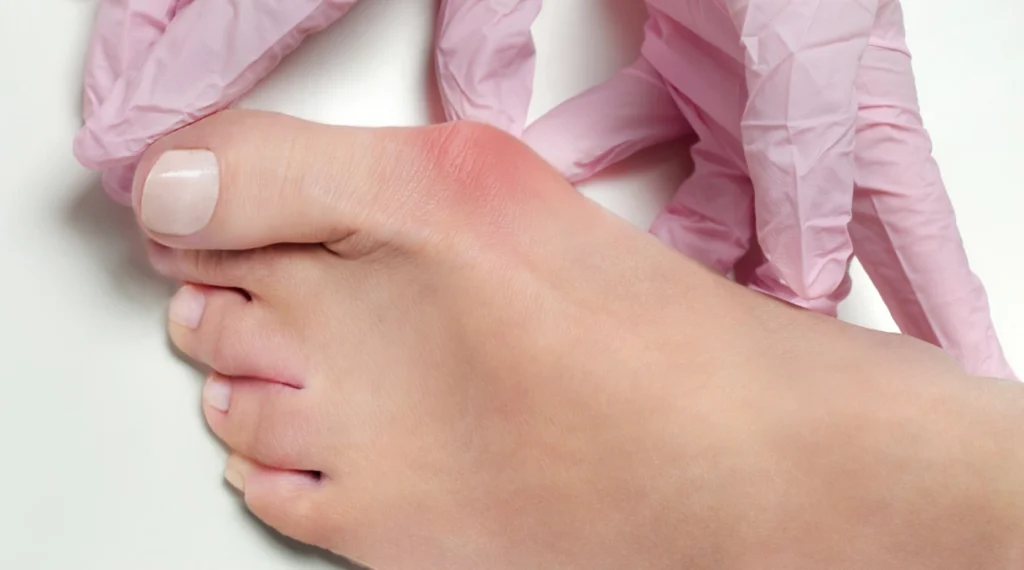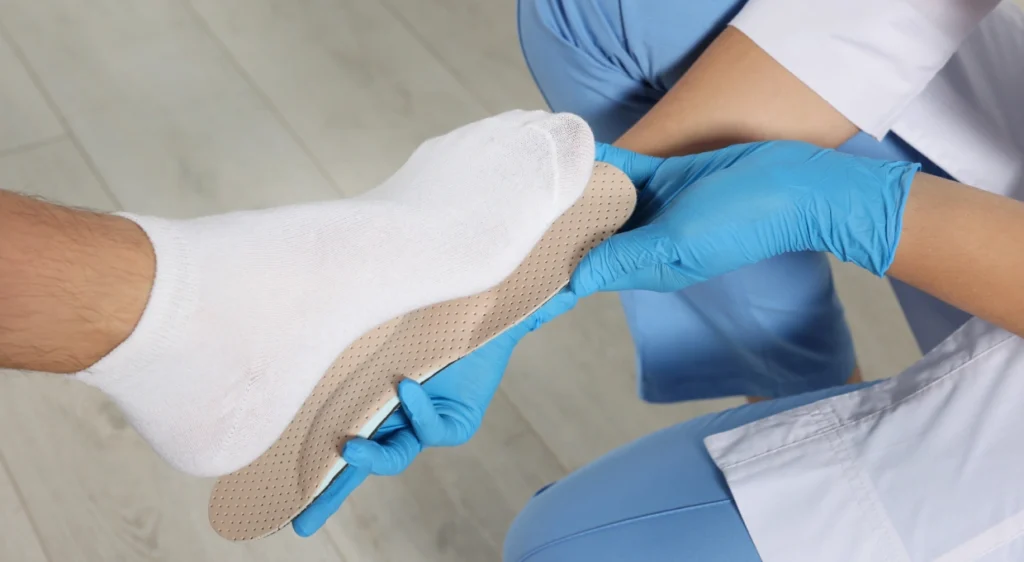

Fear of pain is undoubtedly the main reason why many people postpone their bunionette(hallux valgus) surgery for years, suffering a progressive loss of quality of life. However, medical science has evolved dramatically.
At Clínica San Román, we are pioneers in Minimal Incision Surgery (MIS), a technique that has completely changed the patient experience. Below, we demystify the postoperative period and explain why this procedure is not what you imagine.
🛑 The myth of the “painful operation”: where does it come from?
Historically, traditional bunion surgery required large incisions, extensive bone cuts and the use of metal fixations (screws or needles). This process generated significant tissue trauma, resulting in severe inflammation and considerable postoperative pain.
The current reality at Clínica San Román: Thanks to the minimal incision technique, we perform the correction through micro-incisions of only 2 to 3 millimeters. By not “opening” the foot aggressively, the damage to the soft tissues is minimal, which reduces the inflammatory response and, therefore, the pain.
✅ Benefits of Minimally Invasive Surgery (MIS) versus pain.
The MIS technique not only seeks an esthetic or functional result, but also prioritizes maximum patient comfort:
- Local anesthesia: Only the area to be operated on is numbed. This avoids the side effects of general anesthesia or deep sedation, allowing immediate recovery.
- No Metal Attachments: In most of our cases, we do not use screws or needles that can cause rejection or long-term chronic discomfort.
- Immediate ambulation: The patient leaves the clinic walking on his own feet. Early movement promotes circulation and reduces the congestion that causes pain.
- Minimal risk of infection: Since the incisions are so small, contact with the outside world is minimal, accelerating healing.

📊 Comparison at a glance: Traditional vs. Minimal Incision
| Features | Traditional (Open) Surgery | Minimal Incision Surgery (San Roman) |
| Incisions | 5 to 10 cm | 2 to 3 mm |
| Anesthesia | General or Epidural | Local (Nerve block) |
| Walking | Weeks of rest or crutches | Immediate (with special footwear) |
| Postoperative Pain | Moderate to High | Minimal / Very Controlled |
| Scars | Visible and extensive | Virtually imperceptible |
🩺 What is the actual postoperative period like?
Most of our patients describe the post-surgical sensation as “tolerable discomfort” or “slight pressure” rather than sharp pain.
- First 24-48 hours: This is the period of greatest inflammation. It is perfectly controlled with common analgesics and keeping the foot in a proper position following our guidelines.
- Functional Bandage: We apply a special bandage that maintains the correction and allows movement, acting as a “soft splint” that protects the foot.
- Normal life: You will be able to perform daily activities at home from the first day, avoiding great physical efforts or impacts during the first weeks.
💡 Conclusion: Don’t let fear stop you.
Pain should not be an obstacle to recovering your podiatric health. Minimal Incision Surgery at Clínica San Román is specifically designed to offer a lasting solution with the least possible discomfort, backed by decades of clinical success.
Professional note: Each foot is unique. A previous radiological evaluation in our clinic will allow us to explain exactly how your personal process will be and what results you can expect.